I didn’t grow up eating pasta primavera. My mom’s idea of getting vegetables into us was stirring a can of green beans into hamburger helper. So when I first tried this dish at a little Italian place years ago, I couldn’t believe how good all those vegetables tasted tossed with pasta and a creamy sauce.
The Pioneer Woman’s version is my go-to now because it’s basically foolproof. You’re just sautéing whatever vegetables you have on hand, making a simple cream sauce, and tossing it all together. The best part? You can swap out the veggies based on what’s in your fridge. No yellow squash? Use more zucchini. Hate mushrooms? Leave them out. It’s one of those recipes that works even when you don’t follow it exactly.
Why You’ll Love This Pasta Primavera
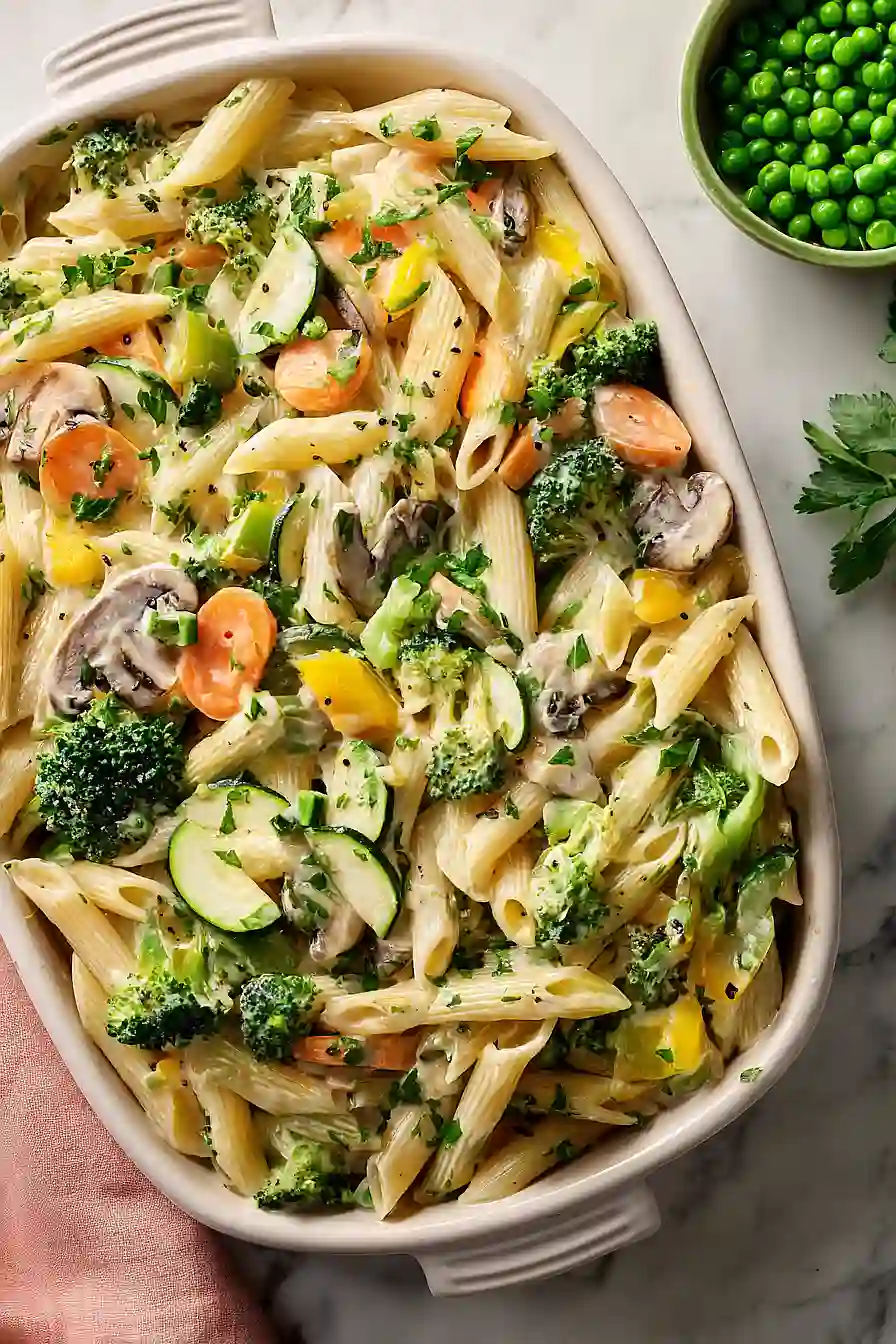
- Packed with vegetables – This dish is loaded with colorful veggies like broccoli, zucchini, peppers, and mushrooms, making it an easy way to get your family to eat more produce without even realizing it.
- Ready in under an hour – You can have this complete meal on the table in 40-60 minutes, perfect for busy weeknights when you need something satisfying but don’t have all evening to cook.
- Creamy, restaurant-quality sauce – The combination of cream, half-and-half, and parmesan creates a rich sauce that coats every bite of pasta and vegetables, tasting like something you’d order at an Italian restaurant.
- One-pan wonder – Everything comes together in one pot (plus boiling the pasta), which means less cleanup and more time to relax after dinner.
- Flexible and customizable – You can easily swap in whatever vegetables you have on hand or skip the ones your family doesn’t like, making this recipe work for you.
What Kind of Pasta Should I Use?
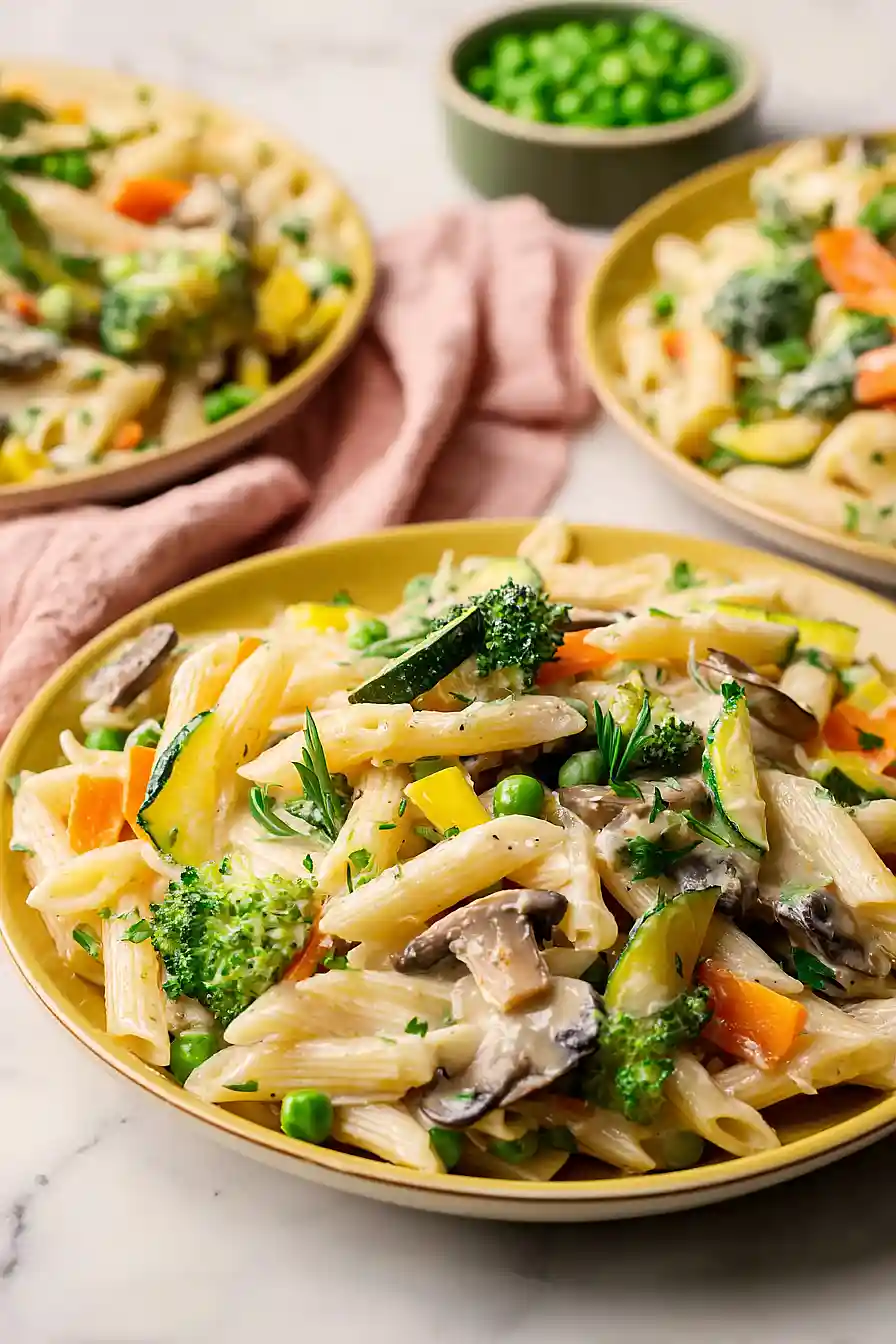
For pasta primavera, you’ll want to pick a pasta shape that can hold onto all those delicious vegetables and creamy sauce. Penne, rigatoni, or farfalle work really well because their shapes create little pockets that catch the sauce and veggies. If you prefer long noodles, fettuccine or linguine are also great choices and give you that classic primavera look. Fresh pasta will give you a more tender bite and cooks faster, but dried pasta from the box works just as well and is what most of us have in the pantry. Just make sure to cook your pasta until it’s al dente – it should have a slight bite to it since it’ll continue cooking a bit when you toss it with the hot sauce and vegetables.
Options for Substitutions
This pasta primavera is all about celebrating vegetables, so feel free to mix things up based on what you have:
- Vegetables: The beauty of primavera is that you can swap in whatever fresh vegetables you have on hand. Try asparagus, green beans, cherry tomatoes, or snap peas. Just keep the total amount of veggies similar and cut everything into bite-sized pieces.
- Pasta: Any pasta shape works here – penne, rigatoni, farfalle, or even spaghetti. Just cook it according to package directions and you’re good to go.
- White wine: If you’d rather skip the wine, use extra chicken broth plus a splash of lemon juice to keep that bright flavor.
- Cream and half-and-half: You can use all heavy cream or all half-and-half instead of both. For a lighter version, try using whole milk, though the sauce won’t be quite as rich.
- Parmesan cheese: Pecorino Romano makes a great substitute and adds a slightly sharper flavor. In a pinch, any hard Italian cheese will work.
- Fresh basil: Dried basil can work if that’s what you have – use about 1 tablespoon and add it earlier in cooking. Fresh parsley is another nice option for a different but still fresh taste.
Watch Out for These Mistakes While Cooking
The biggest mistake you can make with pasta primavera is overcooking your vegetables, which turns them mushy and dull instead of crisp and fresh – aim to keep each veggie slightly underdone since they’ll continue cooking when you toss them with the hot pasta and sauce.
Another common error is adding all the vegetables at once, but cooking them separately (like the recipe suggests) ensures each one maintains its proper texture and doesn’t steam in the pan.
Don’t skip salting your pasta water generously – it should taste like the ocean – because this is your only chance to season the pasta itself, and bland noodles will make the whole dish fall flat.
Finally, if your sauce seems too thick when you add the pasta, reserve a cup of that starchy pasta water before draining and add it gradually to loosen things up and help the sauce cling better to the noodles.

What to Serve With Pasta Primavera?
Since pasta primavera is already loaded with veggies, I like to keep the sides simple and let the pasta be the star of the show. A warm, crusty baguette or some garlic bread is perfect for soaking up that creamy sauce, and it makes the meal feel extra satisfying. A light Caesar salad or mixed greens with a lemon vinaigrette adds a nice fresh crunch without competing with all the vegetables already in the dish. If you want to add some protein, grilled chicken breast or shrimp on the side works great, or you could even toss them right into the pasta before serving.
Storage Instructions
Store: This pasta primavera keeps well in the fridge for about 3-4 days in an airtight container. The veggies might soften a bit over time, but the flavors actually get better as they meld together. It makes great leftovers for a quick lunch or dinner during the week.
Freeze: You can freeze this for up to 2 months, though the cream sauce might separate slightly when thawed. I’d recommend slightly undercooking the pasta if you plan to freeze it, so it doesn’t get mushy when reheated.
Reheat: Warm it up gently on the stovetop over medium-low heat, adding a splash of chicken broth or cream to loosen the sauce. You can also microwave individual portions, but stir it halfway through and add a little liquid to keep it creamy.
| Preparation Time | 20-30 minutes |
| Cooking Time | 20-30 minutes |
| Total Time | 40-60 minutes |
| Level of Difficulty | Medium |
| Servings | 6 servings |
Estimated Nutrition
Estimated nutrition for the whole recipe (without optional ingredients):
- Calories: 3300-3600
- Protein: 75-90 g
- Fat: 130-150 g
- Carbohydrates: 430-470 g
Ingredients
For the pasta and vegetables:
- 1 lb pasta (I always use Barilla penne rigate)
- 4 tbsp unsalted butter
- 2 tbsp olive oil
- 1/2 cup onion
- 5 cloves garlic, minced
- 1.5 cups broccoli
- 2 carrots (peeled and sliced into 1/4-inch rounds)
- 1 red bell pepper (seeded and cut into 1/2-inch strips)
- 1 yellow squash
- 2 zucchini (halved lengthwise and sliced 1/2-inch thick)
- 8 oz mushrooms
- 1/2 cup frozen peas (I use Birds Eye for best color)
- 1/4 tsp red pepper flakes
- salt
- black pepper
For the sauce:
- 1 tbsp unsalted butter (I like Kerrygold for the sauce base)
- 1/2 cup dry white wine
- 1/2 cup chicken broth
- 1 cup heavy cream
- 1 cup half-and-half
- 3/4 cup parmesan cheese (freshly grated for a smoother sauce)
- 6 basil leaves
Step 1: Prepare All Vegetables and Start the Pasta
- 1.5 cups broccoli, cut into florets
- 2 carrots, peeled and sliced into 1/4-inch rounds
- 1 red bell pepper, seeded and cut into 1/2-inch strips
- 1 yellow squash, sliced 1/2-inch thick
- 2 zucchini, halved lengthwise and sliced 1/2-inch thick
- 8 oz mushrooms, sliced
- 1 lb pasta
- salt for pasta water
Begin by prepping all vegetables: peel and slice carrots into 1/4-inch rounds, seed and cut red bell pepper into 1/2-inch strips, halve zucchini lengthwise and slice into 1/2-inch thick pieces, slice yellow squash into similar thickness, and slice mushrooms.
Cut broccoli into bite-sized florets.
Place all prepped vegetables on a large plate, organized by cooking time.
While prepping, bring a large pot of salted water to a boil and add the pasta, cooking until al dente according to package directions.
I like to taste the pasta a minute before the package time suggests—it should have a slight firmness when you bite it.
Step 2: Build Flavor with Aromatics and Sauté Firm Vegetables
- 4 tbsp unsalted butter
- 2 tbsp olive oil
- 5 cloves garlic, minced
- 1/2 cup onion, diced
- 1.5 cups broccoli florets from Step 1
- 2 carrots from Step 1
- 1 red bell pepper from Step 1
Heat 4 tablespoons unsalted butter and 2 tablespoons olive oil in a large skillet over medium-high heat.
Once the butter foams, add the minced garlic and diced onion, cooking for 1 to 2 minutes until fragrant and just beginning to soften.
Add the broccoli and carrots (the vegetables that need the most cooking time), stirring for about 1 minute until they’re lightly coated with the butter mixture and beginning to soften slightly.
Transfer these to your plate and repeat with the red bell pepper, cooking for 1 to 2 minutes before moving it to the plate as well.
Step 3: Cook Delicate Vegetables and Build the Cream Sauce
- 1 tbsp unsalted butter
- 1 yellow squash from Step 1
- 2 zucchini from Step 1
- 8 oz mushrooms from Step 1
- 1/2 cup dry white wine
- 1/2 cup chicken broth
- 1/4 tsp red pepper flakes
Add 1 tablespoon fresh unsalted butter to the skillet and quickly cook the yellow squash and zucchini for under 1 minute, just to lightly soften them—these vegetables release water quickly and can become mushy if overcooked.
Transfer to the plate with the other vegetables.
Add the sliced mushrooms and cook for 1 to 2 minutes until they begin to release their moisture and brown slightly.
Pour in the white wine and chicken broth, stirring for 1 to 2 minutes to deglaze the pan and reduce slightly.
This builds a flavorful base for your sauce.
Step 4: Create the Silky Cream Sauce Base
- 1 cup heavy cream
- 1 cup half-and-half
- 3/4 cup parmesan cheese, freshly grated
- salt to taste
- black pepper to taste
Reduce the heat to medium and pour in the heavy cream and half-and-half, stirring to combine.
Let this simmer gently for about 1 minute to warm through.
Remove from heat and stir in the freshly grated Parmesan cheese, salt, and black pepper to taste.
I always grate my own Parmesan rather than using pre-shredded—it melts into the sauce much more smoothly and creates a silkier texture without the anti-caking agents.
Stir gently until the cheese is fully incorporated and the sauce is smooth.
Step 5: Combine Vegetables, Pasta, and Sauce
- sautéed vegetables from Steps 2 and 3
- cream sauce base from Step 4
- 6 basil leaves, torn or sliced
- 1/2 cup frozen peas
- cooked pasta from Step 1
Stir the basil leaves and all the sautéed vegetables from Step 2 back into the cream sauce, followed by the frozen peas.
Gently fold everything together over low heat to combine without breaking down the vegetables.
Drain the cooked pasta from Step 1 and add it directly to the skillet, tossing gently to coat every piece with the creamy sauce.
The residual heat will continue to warm the peas and soften them slightly without overcooking them.
Step 6: Plate and Finish
- Parmesan cheese for garnish
- salt and black pepper for garnish
- fresh basil leaves for garnish
Transfer the pasta primavera to serving bowls or a platter.
Top each serving with an extra sprinkle of freshly grated Parmesan, a pinch of salt, freshly ground black pepper, and a fresh basil leaf or two for color and brightness.
Serve immediately while the sauce is still silky and warm.
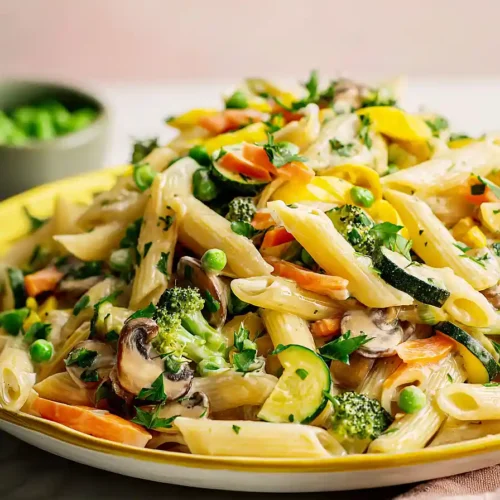
Cheesy Pioneer Woman's Pasta Primavera
Ingredients
For the pasta and vegetables::
- 1 lb pasta (I always use Barilla penne rigate)
- 4 tbsp unsalted butter
- 2 tbsp olive oil
- 1/2 cup onion
- 5 cloves garlic, minced
- 1.5 cups broccoli
- 2 carrots (peeled and sliced into 1/4-inch rounds)
- 1 red bell pepper (seeded and cut into 1/2-inch strips)
- 1 yellow squash
- 2 zucchini (halved lengthwise and sliced 1/2-inch thick)
- 8 oz mushrooms
- 1/2 cup frozen peas (I use Birds Eye for best color)
- 1/4 tsp red pepper flakes
- salt
- black pepper
For the sauce::
- 1 tbsp unsalted butter (I like Kerrygold for the sauce base)
- 1/2 cup dry white wine
- 1/2 cup chicken broth
- 1 cup heavy cream
- 1 cup half-and-half
- 3/4 cup parmesan cheese (freshly grated for a smoother sauce)
- 6 basil leaves
Instructions
- Begin by prepping all vegetables: peel and slice carrots into 1/4-inch rounds, seed and cut red bell pepper into 1/2-inch strips, halve zucchini lengthwise and slice into 1/2-inch thick pieces, slice yellow squash into similar thickness, and slice mushrooms. Cut broccoli into bite-sized florets. Place all prepped vegetables on a large plate, organized by cooking time. While prepping, bring a large pot of salted water to a boil and add the pasta, cooking until al dente according to package directions. I like to taste the pasta a minute before the package time suggests—it should have a slight firmness when you bite it.
- Heat 4 tablespoons unsalted butter and 2 tablespoons olive oil in a large skillet over medium-high heat. Once the butter foams, add the minced garlic and diced onion, cooking for 1 to 2 minutes until fragrant and just beginning to soften. Add the broccoli and carrots (the vegetables that need the most cooking time), stirring for about 1 minute until they're lightly coated with the butter mixture and beginning to soften slightly. Transfer these to your plate and repeat with the red bell pepper, cooking for 1 to 2 minutes before moving it to the plate as well.
- Add 1 tablespoon fresh unsalted butter to the skillet and quickly cook the yellow squash and zucchini for under 1 minute, just to lightly soften them—these vegetables release water quickly and can become mushy if overcooked. Transfer to the plate with the other vegetables. Add the sliced mushrooms and cook for 1 to 2 minutes until they begin to release their moisture and brown slightly. Pour in the white wine and chicken broth, stirring for 1 to 2 minutes to deglaze the pan and reduce slightly. This builds a flavorful base for your sauce.
- Reduce the heat to medium and pour in the heavy cream and half-and-half, stirring to combine. Let this simmer gently for about 1 minute to warm through. Remove from heat and stir in the freshly grated Parmesan cheese, salt, and black pepper to taste. I always grate my own Parmesan rather than using pre-shredded—it melts into the sauce much more smoothly and creates a silkier texture without the anti-caking agents. Stir gently until the cheese is fully incorporated and the sauce is smooth.
- Stir the basil leaves and all the sautéed vegetables from Step 2 back into the cream sauce, followed by the frozen peas. Gently fold everything together over low heat to combine without breaking down the vegetables. Drain the cooked pasta from Step 1 and add it directly to the skillet, tossing gently to coat every piece with the creamy sauce. The residual heat will continue to warm the peas and soften them slightly without overcooking them.
- Transfer the pasta primavera to serving bowls or a platter. Top each serving with an extra sprinkle of freshly grated Parmesan, a pinch of salt, freshly ground black pepper, and a fresh basil leaf or two for color and brightness. Serve immediately while the sauce is still silky and warm.