Finding a satisfying plant-based dinner that actually feels like comfort food can be tricky, especially when you’re trying to please both vegans and meat-eaters at the same table. Most vegan main dishes either lack that hearty, stick-to-your-ribs quality we crave, or they require obscure ingredients that send you on a wild goose chase through three different grocery stores.
Thankfully, this vegan meatloaf solves both problems: it’s made with simple pantry staples like chickpeas and breadcrumbs, delivers that classic savory flavor we all love, and comes together easily enough for a weeknight meal. Plus, it slices beautifully and tastes even better as leftovers the next day.
Why You’ll Love This Vegan Meatloaf
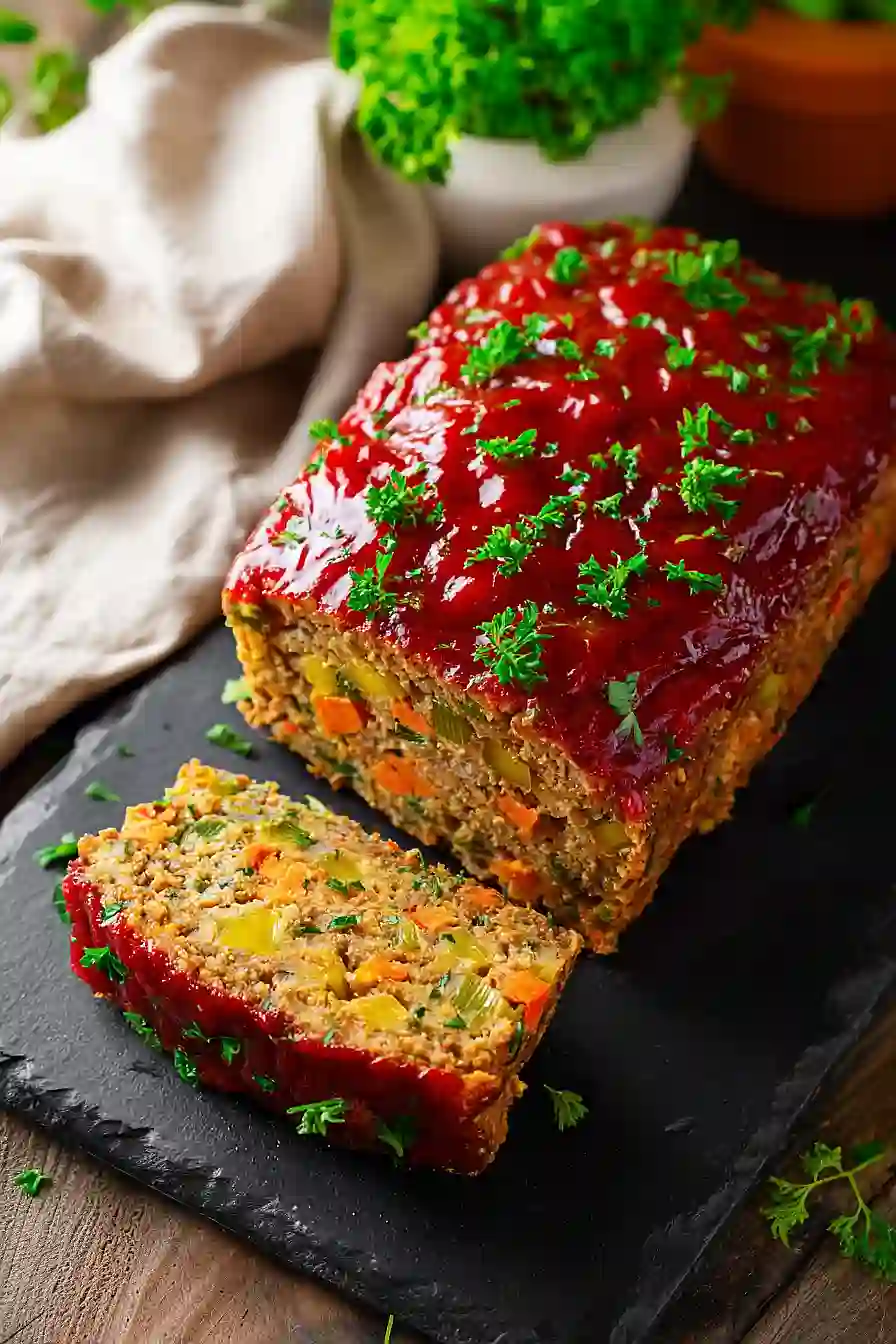
- Plant-based comfort food – This vegan meatloaf delivers all the cozy, nostalgic flavors of traditional meatloaf without any animal products, making it perfect for vegans and anyone looking to eat more plant-based meals.
- Protein-packed – Chickpeas provide a solid protein boost, so you’ll feel satisfied and full after dinner.
- Simple pantry ingredients – Most of these items are probably already in your kitchen, and chickpeas are an affordable staple that work great in this recipe.
- Ready in about an hour – From prep to table, this meatloaf comes together quickly for a weeknight dinner that doesn’t require much hands-on time.
- Great for meal prep – Leftovers reheat beautifully, making this perfect for lunches throughout the week or even freezing for later.
What Kind of Chickpeas Should I Use?
For this vegan meatloaf, canned chickpeas are your best bet since they’re already cooked and soft enough to mash easily. You can use any brand you find at the store, though I’d recommend draining and rinsing them well to get rid of that canned liquid taste. If you prefer cooking from scratch, dried chickpeas that you’ve soaked and cooked yourself will work too, just make sure they’re tender enough to break apart with a fork. Whether you go with canned or home-cooked, you’ll need about 3 cups of chickpeas total, which usually works out to two standard 15-ounce cans.
Options for Substitutions
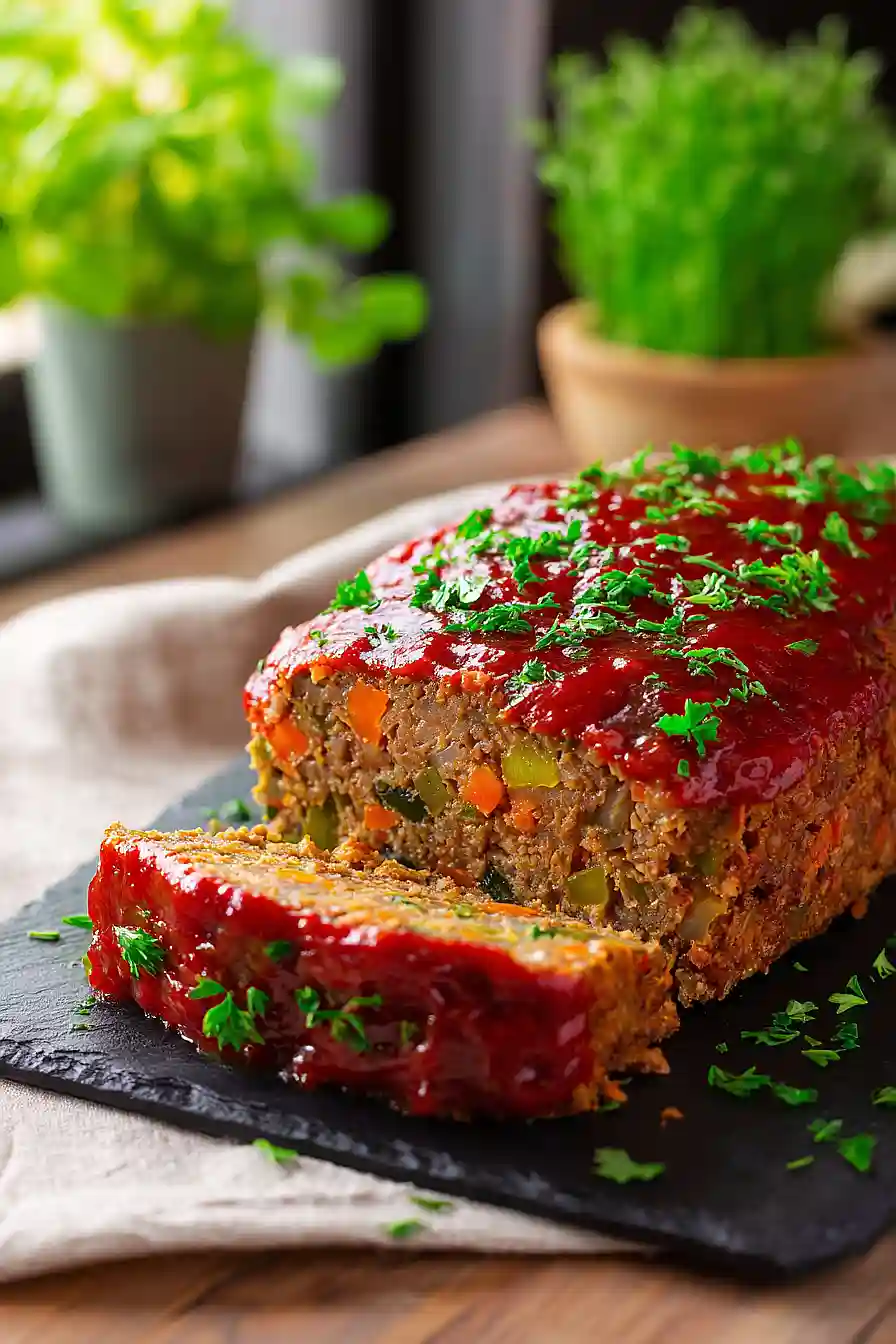
This vegan meatloaf is pretty forgiving when it comes to swaps, so here are some options if you need to work with what you have:
- Chickpeas: You can swap chickpeas for black beans or lentils (cooked from dry or canned). Just make sure to drain and mash them the same way you would the chickpeas.
- Breadcrumbs: Regular breadcrumbs work great, but you can also use panko, crushed crackers, or even rolled oats if you need a gluten-free option. Oats will give you a slightly different texture but still hold everything together nicely.
- Ground flaxseed: If you don’t have flaxseed, chia seeds work as a binder too. Use the same amount and let them sit in a bit of water for a few minutes before adding to the mix.
- Nutritional yeast: This adds a savory, cheesy flavor, but if you don’t have it, you can leave it out or add a bit more soy sauce for extra umami.
- Vegan Worcestershire sauce: Regular Worcestershire contains anchovies, so stick with vegan versions. If you can’t find it, mix soy sauce with a tiny splash of balsamic vinegar as a substitute.
- Soy sauce: Tamari or coconut aminos work just as well here. Coconut aminos are a bit sweeter and less salty, so you might want to add a pinch of salt.
Watch Out for These Mistakes While Cooking
The biggest mistake when making vegan meatloaf is not mashing the chickpeas enough – you want about 75% of them broken down with some chunks remaining for texture, so use a potato masher or fork and really work them until they’re mostly smooth.
Another common error is skipping the step of sautéing your vegetables until they’re soft and any liquid has evaporated, which can make your loaf too wet and prevent it from holding together when sliced.
If your mixture feels too dry and crumbly, add a tablespoon of water or vegetable broth at a time until it holds together when pressed, but be careful not to add too much liquid or it won’t firm up during baking.
Finally, let the meatloaf cool for at least 15 minutes after baking before slicing – cutting into it too soon will cause it to fall apart, even if it’s perfectly cooked.
What to Serve With Vegan Meatloaf?
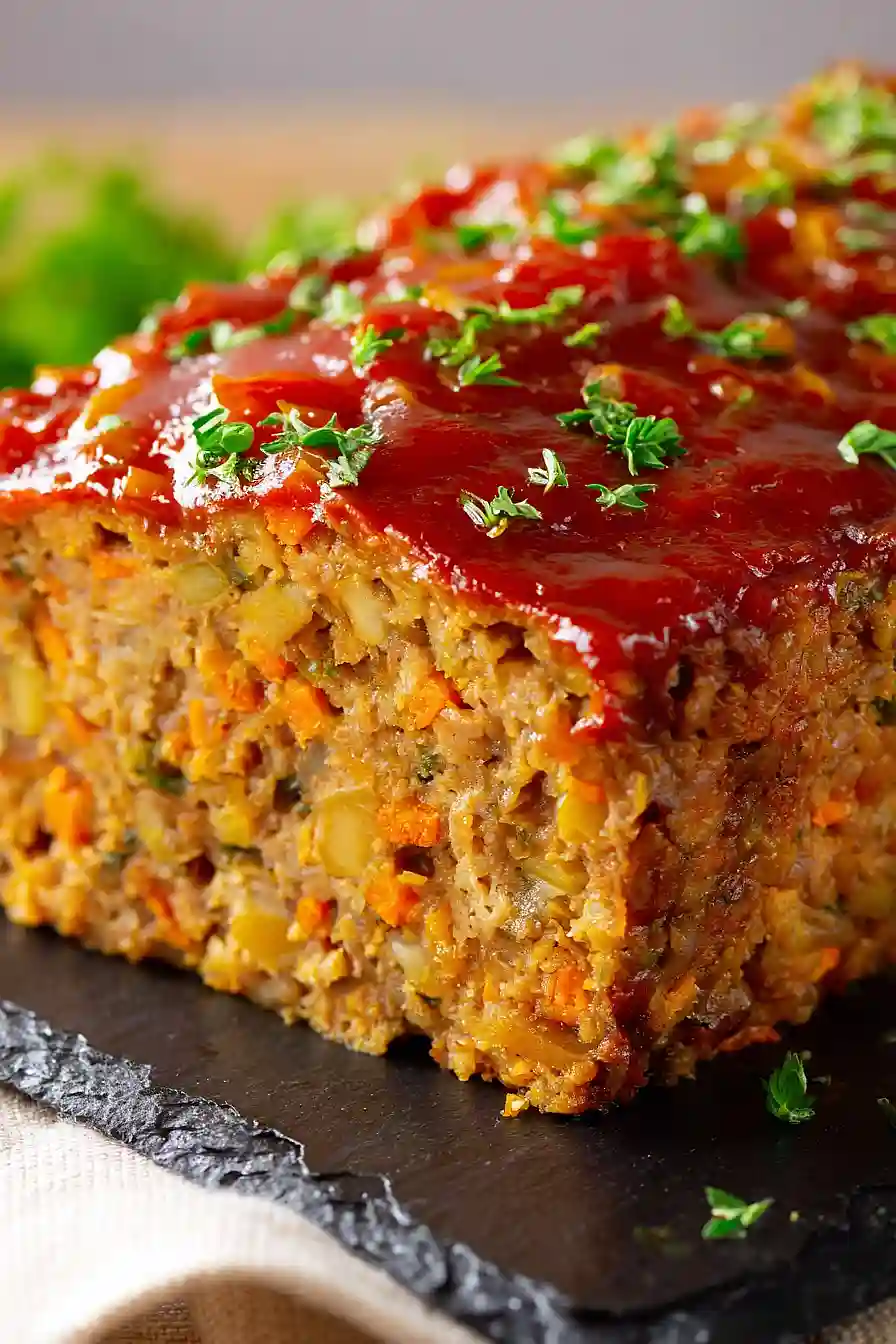
I love serving vegan meatloaf with classic comfort sides like creamy mashed potatoes and roasted green beans – it really feels like a traditional Sunday dinner. A simple side salad with mixed greens and a tangy vinaigrette helps balance out the richness of the meatloaf, or you could go with roasted Brussels sprouts or glazed carrots for something heartier. If you want to make it extra cozy, try adding some mushroom gravy on top of both the meatloaf and mashed potatoes. For a lighter option, steamed broccoli or a quinoa pilaf works really well too, and don’t forget some warm dinner rolls for soaking up that ketchup glaze!
Storage Instructions
Store: Keep leftover vegan meatloaf in an airtight container in the fridge for up to 5 days. It actually tastes even better the next day once all the flavors have had time to meld together. I love slicing it up for sandwiches throughout the week!
Freeze: This meatloaf freezes really well for up to 3 months. You can freeze the whole loaf wrapped tightly in plastic wrap and foil, or slice it first and freeze individual portions with parchment paper between each slice. Freezing slices makes it super easy to grab just what you need.
Reheat: Warm up slices in the microwave for about 1-2 minutes, or heat them in a skillet with a little oil for crispy edges. If you’re reheating the whole loaf, cover it with foil and bake at 350°F for about 20-25 minutes until heated through.
| Preparation Time | 15-20 minutes |
| Cooking Time | 45-50 minutes |
| Total Time | 60-70 minutes |
| Level of Difficulty | Medium |
Estimated Nutrition
Estimated nutrition for the whole recipe (without optional ingredients):
- Calories: 1100-1300
- Protein: 40-48 g
- Fat: 22-28 g
- Carbohydrates: 200-220 g
Ingredients
For the meatloaf:
- 1 small onion (finely diced, about 1/2-inch pieces)
- 2 tbsp soy sauce (or tamari for gluten-free)
- 2 small carrots (finely diced, about 1/4-inch pieces)
- 1/2 tsp liquid smoke (adds smoky depth)
- 1.25 cups breadcrumbs (panko preferred for better texture)
- 30 oz canned chickpeas (drained and rinsed, I use Bob’s Red Mill)
- 3 tbsp nutritional yeast (adds cheesy umami flavor)
- 2 tbsp vegan Worcestershire sauce
- 2 celery stalks (finely diced, about 1/4-inch pieces)
- 2 tbsp ground flaxseed (mixed with 6 tbsp water, let sit 5 minutes to bind)
- 1.5 tbsp olive oil (or any neutral oil like canola)
- 1/4 cup ketchup
- 3 garlic cloves (freshly minced)
For the glaze:
- 1 tsp vegan Worcestershire sauce
- 1/3 cup ketchup (I use Heinz)
Step 1: Prepare Mise en Place and Preheat
- 2 tbsp ground flaxseed
- 6 tbsp water
- 1 small onion
- 2 small carrots
- 2 celery stalks
- 3 garlic cloves
Start by preheating your oven to 375°F and lining a loaf pan with parchment paper or lightly oiling it for easy removal.
While the oven heats, finely dice the onion, carrots, and celery into uniform 1/4-inch pieces (the onion can be slightly larger at about 1/2-inch), and mince the garlic.
In a small bowl, combine the ground flaxseed with 6 tablespoons of water and set aside for 5 minutes to create a flax egg binder—this is crucial for holding the meatloaf together.
Step 2: Sauté the Aromatics to Build Flavor
- 1.5 tbsp olive oil
- 1 small onion
- 2 small carrots
- 2 celery stalks
- 3 garlic cloves
Heat the olive oil in a large skillet over medium heat.
Add the diced onion, carrots, and celery, and sauté for 5 minutes, stirring occasionally, until the vegetables are softened and beginning to caramelize at the edges.
In the last minute of cooking, add the minced garlic and stir constantly for about 30 seconds until fragrant.
I like to let the vegetables get slightly golden here because it builds a deeper, more savory foundation for the meatloaf—this step is where much of the flavor development happens.
Step 3: Create the Meatloaf Base Mixture
- 30 oz canned chickpeas
- sautéed vegetables from Step 2
- prepared flax egg from Step 1
- 1.25 cups breadcrumbs
- 3 tbsp nutritional yeast
- 2 tbsp soy sauce
- 2 tbsp vegan Worcestershire sauce
- 1/2 tsp liquid smoke
While the vegetables are still warm, drain and rinse the chickpeas thoroughly, then add them to a large mixing bowl.
Mash them with a fork until you reach a chunky consistency—you want some texture remaining, not a smooth purée.
Add the sautéed vegetables from Step 2, along with the prepared flax egg from Step 1, breadcrumbs, nutritional yeast, soy sauce, vegan Worcestershire sauce, and liquid smoke.
Mix everything together with a wooden spoon or your hands until just combined; don’t overmix or the meatloaf will become dense and compact.
Step 4: Form and Initial Bake
- meatloaf mixture from Step 3
Transfer the meatloaf mixture into the prepared loaf pan, pressing it down firmly with your hands or the back of a spoon to compact it evenly and eliminate large air pockets.
Cover the pan tightly with aluminum foil to trap steam during the first phase of baking, which helps the meatloaf stay moist.
Bake for 30 minutes covered.
Step 5: Apply Glaze and Finish Baking
- 1/4 cup ketchup
- 1 tsp vegan Worcestershire sauce
While the meatloaf is baking, prepare the glaze by whisking together the ketchup and 1 teaspoon of vegan Worcestershire sauce in a small bowl until smooth.
When the 30 minutes are complete, carefully remove the foil from the pan and spread the ketchup glaze evenly over the top of the meatloaf.
Return it to the oven, uncovered, for 15 minutes more, which allows the glaze to caramelize and set into a sticky, flavorful crust.
I find this two-stage baking approach gives you both moisture inside and a nice caramelized exterior.
Step 6: Rest and Serve
Remove the meatloaf from the oven and let it rest in the pan for 15 minutes before slicing or serving.
This resting period allows the structure to set and makes it much easier to slice cleanly without falling apart.
The residual heat will continue to cook the interior slightly, ensuring a fully set texture throughout.
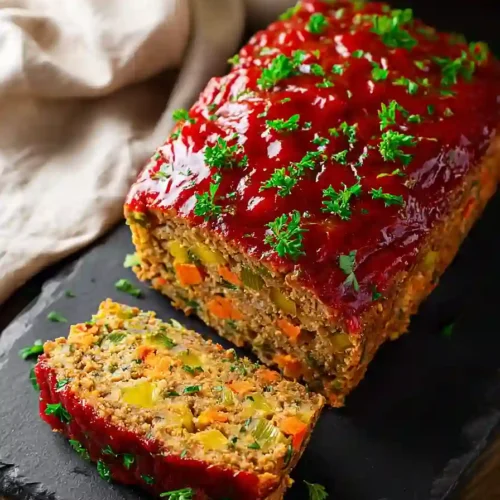
Savory Vegan Meatloaf
Ingredients
For the meatloaf:
- 1 small onion (finely diced, about 1/2-inch pieces)
- 2 tbsp soy sauce (or tamari for gluten-free)
- 2 small carrots (finely diced, about 1/4-inch pieces)
- 1/2 tsp liquid smoke (adds smoky depth)
- 1.25 cups breadcrumbs (panko preferred for better texture)
- 30 oz canned chickpeas (drained and rinsed, I use Bob's Red Mill)
- 3 tbsp nutritional yeast (adds cheesy umami flavor)
- 2 tbsp vegan Worcestershire sauce
- 2 celery stalks (finely diced, about 1/4-inch pieces)
- 2 tbsp ground flaxseed (mixed with 6 tbsp water, let sit 5 minutes to bind)
- 1.5 tbsp olive oil (or any neutral oil like canola)
- 1/4 cup ketchup
- 3 garlic cloves (freshly minced)
For the glaze:
- 1 tsp vegan Worcestershire sauce
- 1/3 cup ketchup (I use Heinz)
Instructions
- Start by preheating your oven to 375°F and lining a loaf pan with parchment paper or lightly oiling it for easy removal. While the oven heats, finely dice the onion, carrots, and celery into uniform 1/4-inch pieces (the onion can be slightly larger at about 1/2-inch), and mince the garlic. In a small bowl, combine the ground flaxseed with 6 tablespoons of water and set aside for 5 minutes to create a flax egg binder—this is crucial for holding the meatloaf together.
- Heat the olive oil in a large skillet over medium heat. Add the diced onion, carrots, and celery, and sauté for 5 minutes, stirring occasionally, until the vegetables are softened and beginning to caramelize at the edges. In the last minute of cooking, add the minced garlic and stir constantly for about 30 seconds until fragrant. I like to let the vegetables get slightly golden here because it builds a deeper, more savory foundation for the meatloaf—this step is where much of the flavor development happens.
- While the vegetables are still warm, drain and rinse the chickpeas thoroughly, then add them to a large mixing bowl. Mash them with a fork until you reach a chunky consistency—you want some texture remaining, not a smooth purée. Add the sautéed vegetables from Step 2, along with the prepared flax egg from Step 1, breadcrumbs, nutritional yeast, soy sauce, vegan Worcestershire sauce, and liquid smoke. Mix everything together with a wooden spoon or your hands until just combined; don't overmix or the meatloaf will become dense and compact.
- Transfer the meatloaf mixture into the prepared loaf pan, pressing it down firmly with your hands or the back of a spoon to compact it evenly and eliminate large air pockets. Cover the pan tightly with aluminum foil to trap steam during the first phase of baking, which helps the meatloaf stay moist. Bake for 30 minutes covered.
- While the meatloaf is baking, prepare the glaze by whisking together the ketchup and 1 teaspoon of vegan Worcestershire sauce in a small bowl until smooth. When the 30 minutes are complete, carefully remove the foil from the pan and spread the ketchup glaze evenly over the top of the meatloaf. Return it to the oven, uncovered, for 15 minutes more, which allows the glaze to caramelize and set into a sticky, flavorful crust. I find this two-stage baking approach gives you both moisture inside and a nice caramelized exterior.
- Remove the meatloaf from the oven and let it rest in the pan for 15 minutes before slicing or serving. This resting period allows the structure to set and makes it much easier to slice cleanly without falling apart. The residual heat will continue to cook the interior slightly, ensuring a fully set texture throughout.