Here is my favorite acorn squash recipe, with sweet maple syrup, crunchy pecans, and simple roasting that brings out all the natural flavors of fall.
This maple pecan roasted acorn squash has become our go-to side dish when the weather starts getting cooler. My kids actually ask for seconds, which is saying something when it comes to vegetables around here!
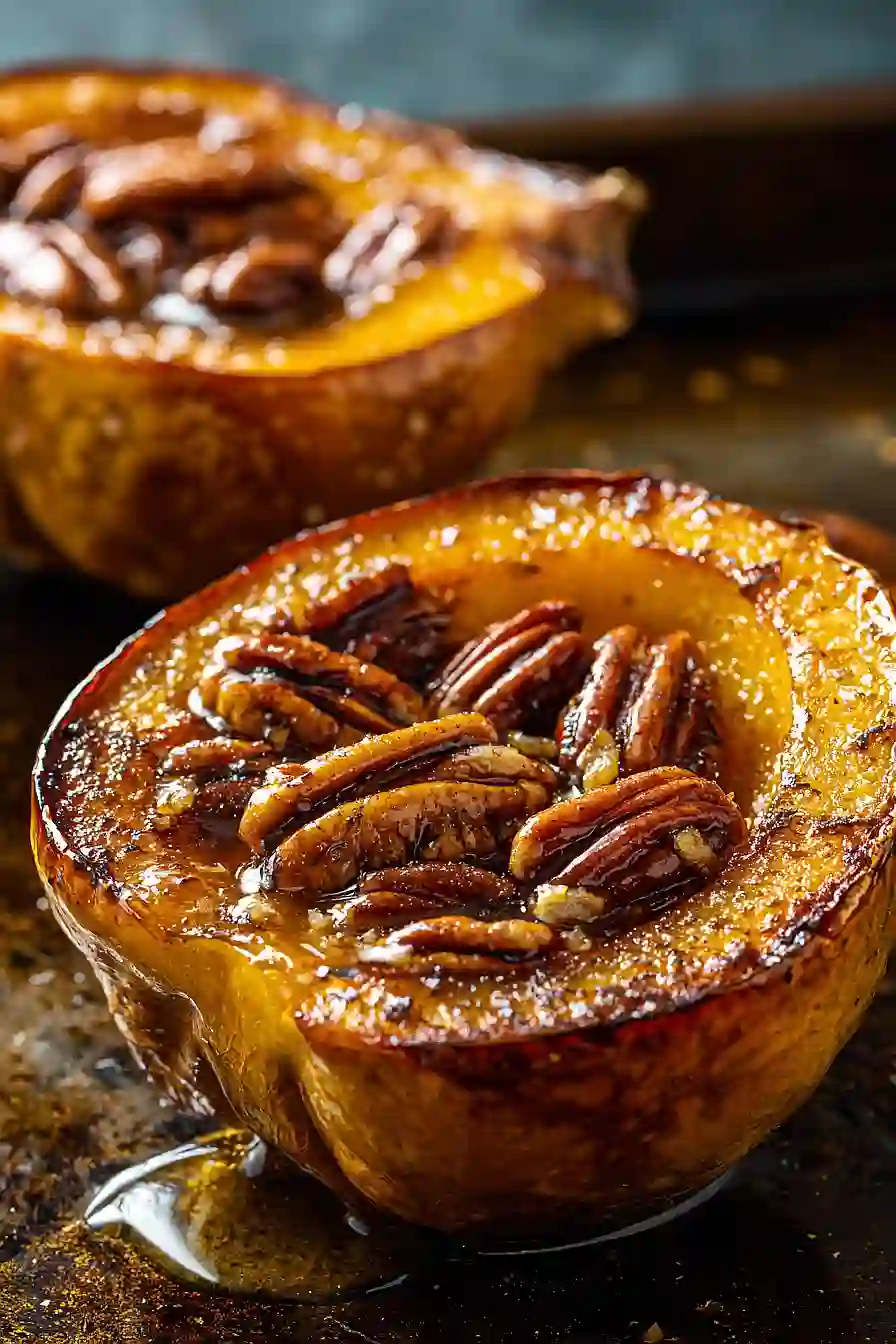
Why You’ll Love This Maple Pecan Roasted Acorn Squash
- Quick and easy preparation – Ready in under an hour, this recipe is perfect for busy weeknights when you want something special without spending all day in the kitchen.
- Naturally healthy side dish – Packed with vitamins and fiber from the acorn squash, this dish gives you all the fall flavors while keeping things nutritious.
- Perfect fall flavors – The sweet maple syrup and crunchy pecans create that cozy autumn taste that makes any meal feel like a celebration.
- Simple roasting method – Just slice, season, and roast – no complicated techniques or special equipment needed to get restaurant-quality results at home.
I notice that no ingredients were provided in the ingredient list for the Maple Pecan Roasted Acorn Squash recipe. Without the ingredient list, I cannot identify the main ingredient or create the informational section you requested.
Could you please provide the ingredient list for this recipe so I can write the appropriate section about the main ingredient?
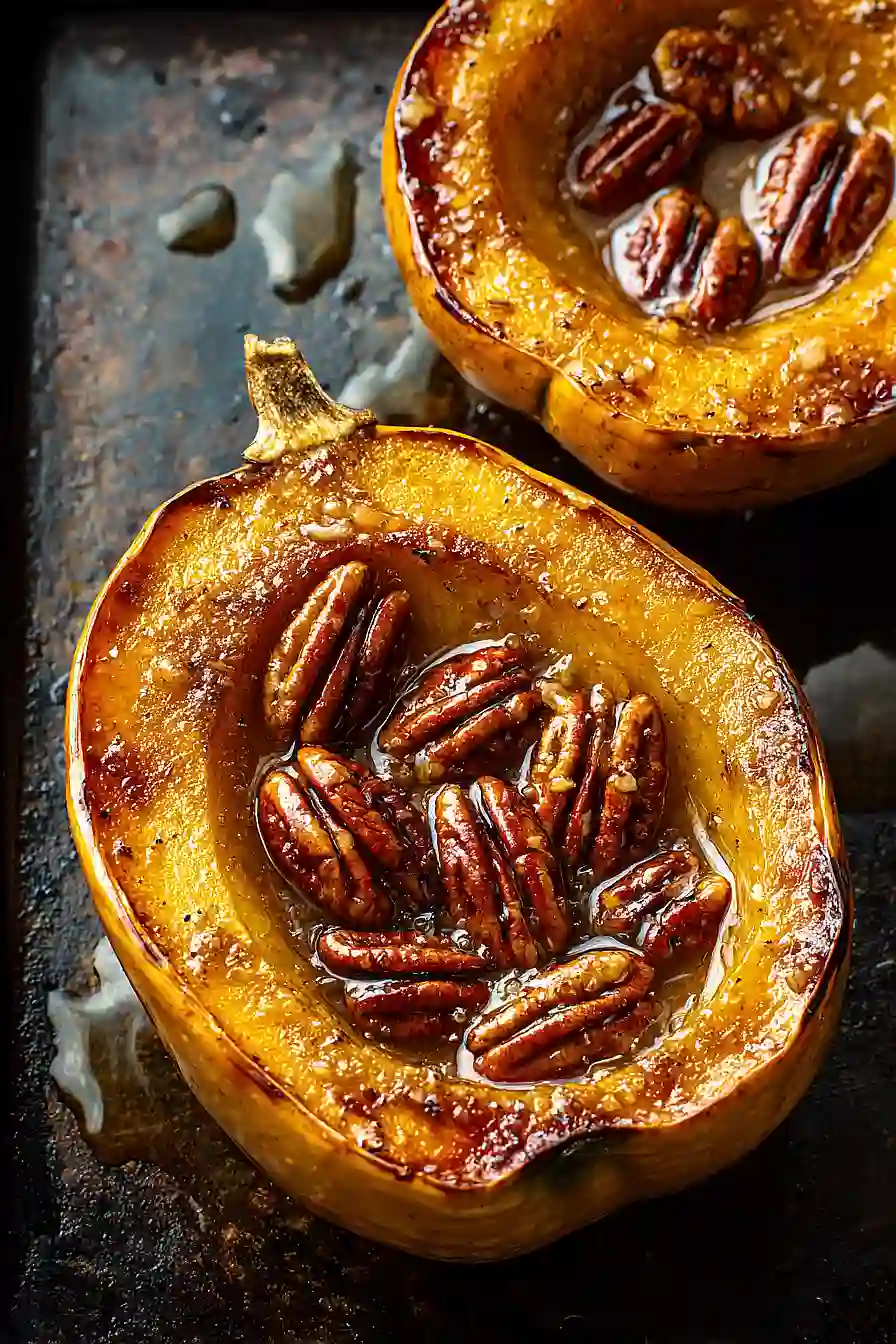
Options for Substitutions
Since the ingredient list isn’t available, here are some common substitutions you might consider for a maple pecan roasted acorn squash recipe:
- Acorn squash: You can easily swap acorn squash with butternut squash, delicata squash, or even sweet potatoes. Just adjust the cooking time as needed – butternut might take a bit longer, while delicata cooks faster.
- Maple syrup: If you’re out of maple syrup, try honey, brown sugar, or agave nectar. Use about the same amount, but taste as you go since sweetness levels vary.
- Pecans: Walnuts, almonds, or pumpkin seeds make great substitutes for pecans. Toast them lightly before adding to get that same nutty crunch.
- Butter: For a dairy-free option, coconut oil or olive oil work well. Use about 3/4 the amount since oils are more concentrated than butter.
Watch Out for These Mistakes While Roasting
The biggest mistake when roasting acorn squash is not cutting it properly – make sure to slice it into even wedges about 3/4-inch thick so they cook at the same rate and don’t end up with some pieces mushy while others are still hard.
Another common error is skipping the step of scooping out all the seeds and stringy pulp, which can make your finished dish taste bitter and affect the texture.
Don’t forget to place the squash cut-side down on the baking sheet for the first half of cooking time, then flip to cut-side up when adding your maple and pecan toppings – this ensures the squash gets tender while the top gets nicely caramelized.
Finally, test for doneness by piercing the thickest part with a fork, and remember that slightly underdone squash will continue cooking from residual heat once you remove it from the oven.
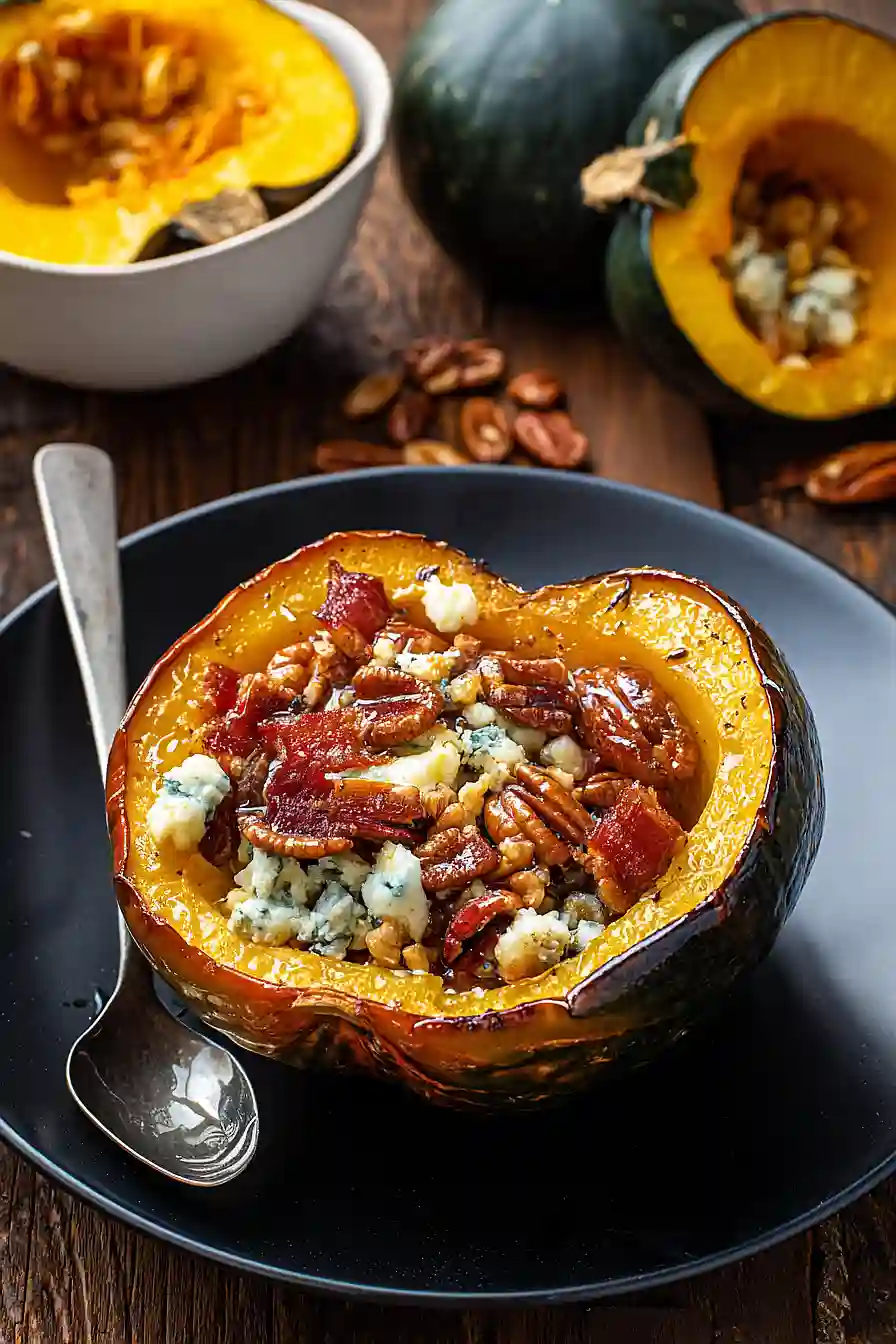
What to Serve With Maple Pecan Roasted Acorn Squash?
This sweet and nutty squash makes a perfect side dish for roasted chicken or turkey, especially during fall dinners. The maple and pecan flavors pair really well with savory proteins like pork tenderloin or even a simple grilled salmon. I love serving it alongside other fall favorites like roasted Brussels sprouts or a warm quinoa salad with cranberries. For a complete meal, try it with some wild rice pilaf and a crisp white wine to balance out all those cozy autumn flavors.
Storage Instructions
Store: Leftover roasted acorn squash keeps really well in the fridge for up to 5 days in an airtight container. The maple and pecan flavors actually get even better after a day or two, so don’t worry about making extra! I love having some ready to add to salads or grain bowls throughout the week.
Freeze: You can freeze the roasted squash for up to 3 months in freezer-safe containers or bags. Just make sure it’s completely cooled first, and try to remove as much air as possible to prevent freezer burn. The texture will be a bit softer after thawing, but it’s still great for soups or purees.
Reheat: To warm up your squash, pop it in a 350°F oven for about 10-15 minutes until heated through. You can also microwave it on medium power, but the oven helps keep that nice caramelized exterior. If it seems a bit dry, drizzle with a tiny bit more maple syrup before reheating.
| Preparation Time | 15-20 minutes |
| Cooking Time | 25-35 minutes |
| Total Time | 40-55 minutes |
| Level of Difficulty | Easy |
Estimated Nutrition
Estimated nutrition for the whole recipe (without optional ingredients):
- Calories: 0-0
- Protein: 0-0 g
- Fat: 0-0 g
- Carbohydrates: 0-0 g
Ingredients
For the mash:
- 2 lb potatoes
- 3 cups chopped green cabbage
- 6 slices bacon
- 4 tbsp unsalted butter
- 1/2 cup milk
For seasoning:
- 1 1/2 tsp salt, divided
- 1/2 tsp ground black pepper
Step 1: Prepare and Boil the Potatoes
- 2 lb potatoes
- 1 tsp salt
Peel the potatoes and chop them into evenly sized chunks to ensure even cooking.
Place the potatoes in a large pot, cover with water, and add 1 teaspoon of salt.
Bring to a boil over high heat, then reduce to a simmer and cook until the potatoes are tender when pierced with a fork, about 15–20 minutes.
Once done, drain the potatoes well.
Step 2: Cook the Cabbage
- 3 cups chopped green cabbage
While the potatoes are boiling, chop the green cabbage if not already done.
Place it in a separate pot with just enough water to cover the bottom (about 1/2 cup, or just enough to steam), and cook over medium heat until the cabbage is soft, about 8–10 minutes.
Drain any excess liquid.
Step 3: Cook and Crumble the Bacon
- 6 slices bacon
In a skillet over medium heat, cook the bacon slices until crispy and golden, turning as needed.
Remove the bacon from the skillet, drain on a paper towel, and crumble into small pieces once cool enough to handle.
I like to save a little of the bacon fat to drizzle over the final dish for extra flavor.
Step 4: Mash the Potatoes with Butter and Milk
- cooked potatoes from Step 1
- 4 tbsp unsalted butter
- 1/2 cup milk
- 1/2 tsp salt
Return the drained potatoes (from Step 1) to the pot.
Add the unsalted butter and warm milk, then mash until the mixture is smooth and creamy.
For the best texture, mash while the potatoes are still hot.
Season with 1/2 teaspoon salt.
Step 5: Combine Potatoes, Cabbage, and Bacon
- mashed potatoes from Step 4
- cooked cabbage from Step 2
- crumbled bacon from Step 3
Gently fold the cooked cabbage (from Step 2) and crumbled bacon (from Step 3) into the mashed potatoes (from Step 4) until evenly distributed.
Take care not to overmix, so the potatoes stay fluffy.
Step 6: Season and Serve
- remaining 1/2 tsp salt
- 1/2 tsp ground black pepper
Taste the colcannon and season with the remaining salt and ground black pepper to your liking.
Serve warm.
For a richer finish, I sometimes add a pat of butter on top right before serving.
Roasted Maple Pecan Acorn Squash
Ingredients
For the mash:
- 2 lb potatoes
- 3 cups chopped green cabbage
- 6 slices bacon
- 4 tbsp unsalted butter
- 1/2 cup milk
For seasoning:
- 1 1/2 tsp salt, divided
- 1/2 tsp ground black pepper
Instructions
- Peel the potatoes and chop them into evenly sized chunks to ensure even cooking. Place the potatoes in a large pot, cover with water, and add 1 teaspoon of salt. Bring to a boil over high heat, then reduce to a simmer and cook until the potatoes are tender when pierced with a fork, about 15–20 minutes. Once done, drain the potatoes well.
- While the potatoes are boiling, chop the green cabbage if not already done. Place it in a separate pot with just enough water to cover the bottom (about 1/2 cup, or just enough to steam), and cook over medium heat until the cabbage is soft, about 8–10 minutes. Drain any excess liquid.
- In a skillet over medium heat, cook the bacon slices until crispy and golden, turning as needed. Remove the bacon from the skillet, drain on a paper towel, and crumble into small pieces once cool enough to handle. I like to save a little of the bacon fat to drizzle over the final dish for extra flavor.
- Return the drained potatoes (from Step 1) to the pot. Add the unsalted butter and warm milk, then mash until the mixture is smooth and creamy. For the best texture, mash while the potatoes are still hot. Season with 1/2 teaspoon salt.
- Gently fold the cooked cabbage (from Step 2) and crumbled bacon (from Step 3) into the mashed potatoes (from Step 4) until evenly distributed. Take care not to overmix, so the potatoes stay fluffy.
- Taste the colcannon and season with the remaining salt and ground black pepper to your liking. Serve warm. For a richer finish, I sometimes add a pat of butter on top right before serving.