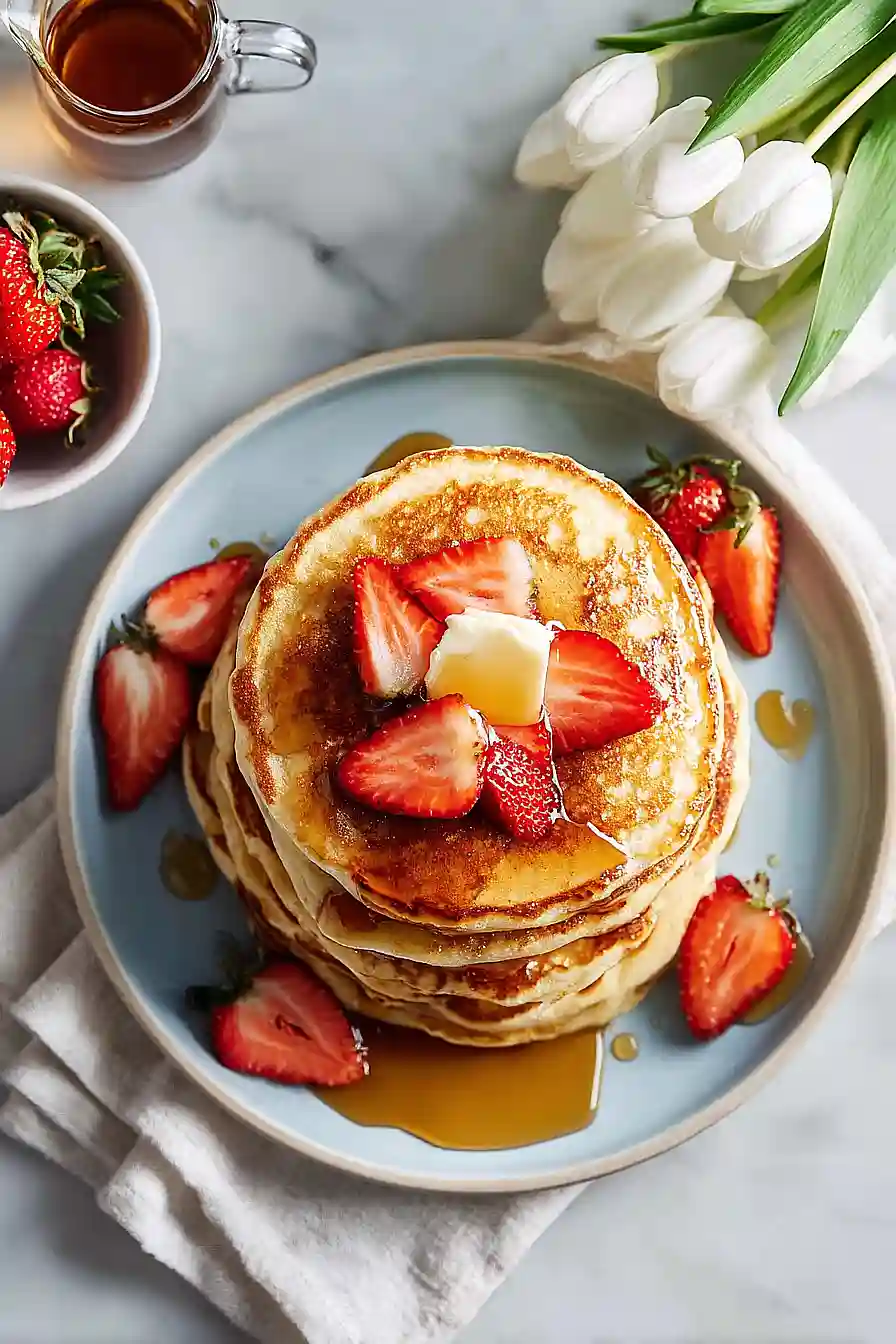
I’ll be honest—I used to think cottage cheese belonged only in a bowl with some fruit or maybe mixed into lasagna. The idea of putting it in pancakes sounded weird to me at first. But then I tried it, and I got it.
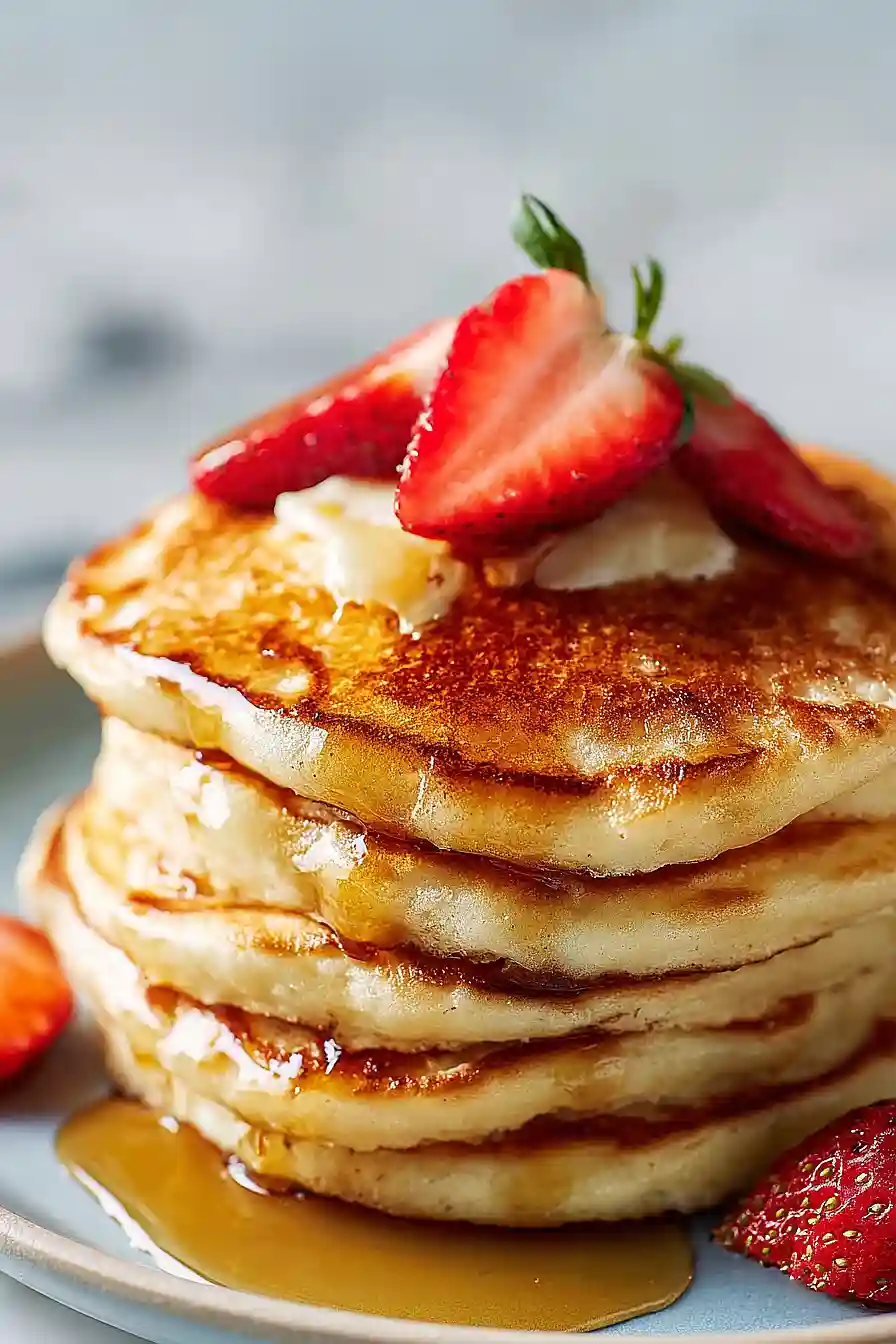
These pancakes are popular because they’re high in protein and use just a few ingredients you probably already have. The cottage cheese gives them a fluffy, light texture without making them taste like, well, cottage cheese. They’re not the same as traditional buttermilk pancakes, but they’re good in their own way—especially when you’re trying to sneak some extra protein into breakfast without much effort.
Why You’ll Love These Cottage Cheese Pancakes
- High-protein breakfast – The cottage cheese packs these pancakes with protein to keep you full and energized all morning long.
- Minimal ingredients – With just a few simple pantry staples, you can whip up a batch without a special grocery run.
- Quick and easy – These pancakes come together in under 20 minutes, making them perfect for busy weekday mornings when you need something fast but satisfying.
- Fluffy texture – The cottage cheese creates surprisingly light and fluffy pancakes that taste just as good as traditional ones, but with way more nutrition.
What Kind of Cottage Cheese Should I Use?
Any cottage cheese you have in your fridge will work great for these pancakes. Small curd cottage cheese tends to blend more smoothly into the batter, but large curd works just fine too – you’ll just have a few more visible curds in your finished pancakes, which honestly isn’t a bad thing. Full-fat cottage cheese will give you richer, more flavorful pancakes, while low-fat or fat-free versions will make them a bit lighter. If you want super smooth pancakes, give your cottage cheese a quick blend in a food processor before mixing it with the other ingredients, or just whisk everything together really well and let any small lumps add a little texture.
Options for Substitutions
While this recipe is pretty straightforward, here are a few swaps you can make if needed:
- Cottage cheese: This is the star ingredient and really shouldn’t be substituted – it gives these pancakes their unique texture and protein boost. However, you can use full-fat, low-fat, or even small curd cottage cheese depending on what you have.
- All-purpose flour: You can swap this with whole wheat flour for a nuttier flavor and more fiber. For a gluten-free version, try oat flour or a 1-to-1 gluten-free baking blend, though the texture might be slightly different.
- Egg: The egg is pretty important for binding these pancakes together, so it’s best to keep it. If you need an egg substitute, try a flax egg (1 tablespoon ground flaxseed mixed with 2.5 tablespoons water, let sit for 5 minutes), but expect a denser pancake.
- Baking powder: If you’re out of baking powder, you can make your own by mixing 1/4 teaspoon baking soda with 1/2 teaspoon cream of tartar.
- Butter for cooking: Feel free to use coconut oil, vegetable oil, or cooking spray instead of butter for frying the pancakes.
Watch Out for These Mistakes While Cooking
The biggest mistake with cottage cheese pancakes is cooking them over high heat, which causes the outside to burn before the inside cooks through – stick to medium or medium-low heat and be patient.
Since these pancakes are more delicate than regular ones, wait until you see bubbles covering most of the surface and the edges look set before flipping, otherwise they’ll fall apart on you.
Blending the batter until completely smooth is important because lumps of cottage cheese can create uneven cooking and weird texture, so give your blender an extra few seconds to work its magic.
If your pancakes are turning out too thick or gummy in the middle, try making them smaller (about 3 inches across) so they cook through evenly without needing to stay on the heat too long.
What to Serve With Cottage Cheese Pancakes?
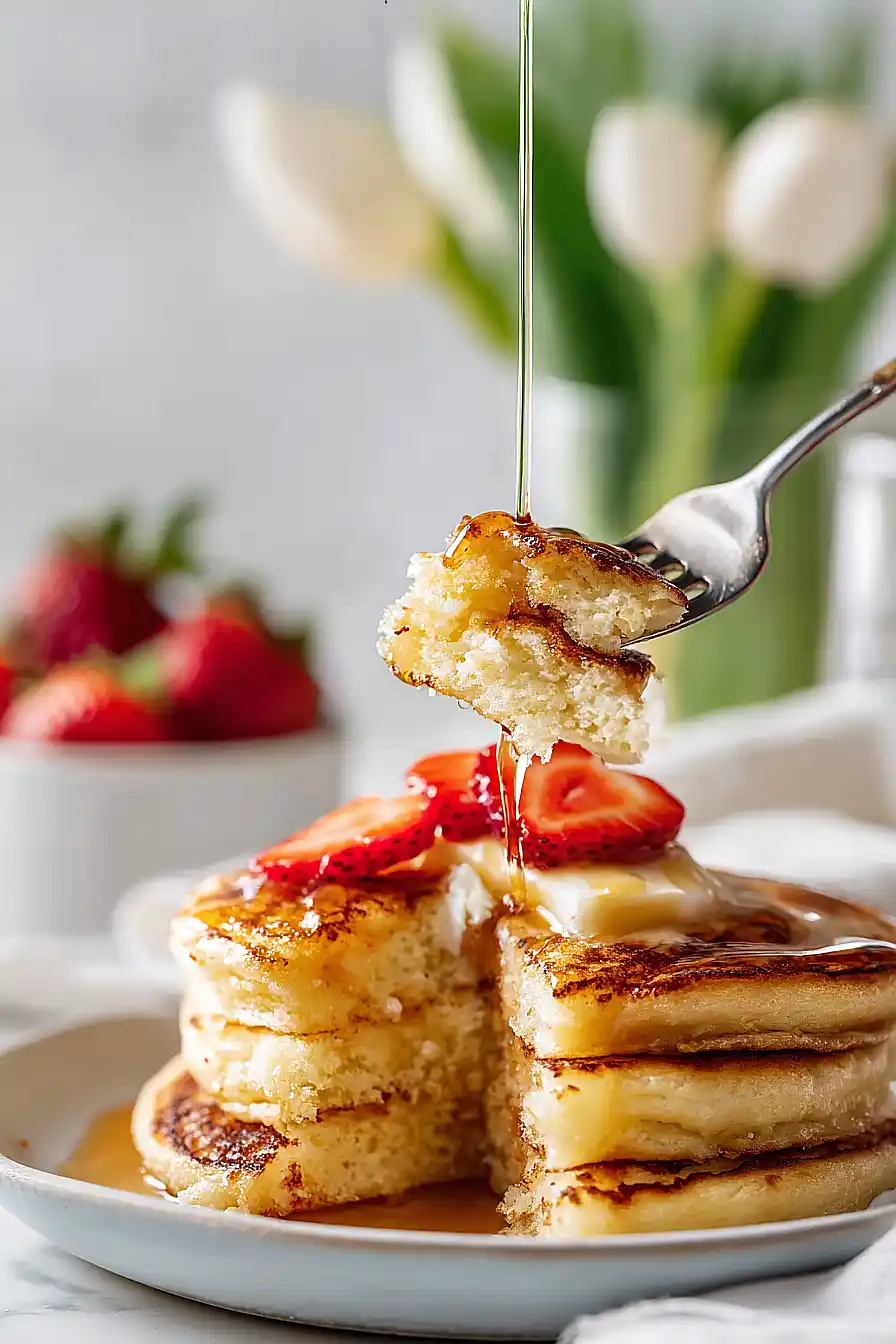
These cottage cheese pancakes are perfect for a weekend breakfast spread with fresh berries and a drizzle of warm maple syrup. I love adding a side of crispy bacon or breakfast sausage to balance out the fluffy pancakes, and maybe some scrambled eggs if you’re really hungry. A dollop of Greek yogurt on top adds extra creaminess, or you could go with whipped cream and sliced bananas for something a bit sweeter. If you want to keep things simple, just stick with butter and syrup – sometimes the classics are all you need.
Storage Instructions
Store: These pancakes are best enjoyed fresh, but you can keep leftovers in an airtight container in the fridge for up to 3 days. Stack them with parchment paper in between so they don’t stick together.
Freeze: Pancakes are great for freezing! Let them cool completely, then layer them with parchment paper and store in a freezer bag for up to 2 months. This way you can have a quick breakfast ready whenever you need it.
Reheat: Warm them up in the microwave for about 30 seconds, or pop them in the toaster for a minute or two until heated through. The toaster actually gives them a nice crispy edge if that’s your thing!
| Preparation Time | 5-10 minutes |
| Cooking Time | 5-10 minutes |
| Total Time | 10-20 minutes |
| Level of Difficulty | Easy |
| Servings | 1 serving |
Estimated Nutrition
Estimated nutrition for the whole recipe (without optional ingredients):
- Calories: 320-370
- Protein: 10-13 g
- Fat: 17-21 g
- Carbohydrates: 30-37 g
Ingredients
For the batter:
- 1/3 cup cottage cheese (I prefer Good Culture for a thicker consistency)
- 1 large egg
- 4 tbsp all-purpose flour (I always use King Arthur all-purpose flour)
- 3/4 tsp baking powder
- 1/4 tsp salt
- 1/2 tbsp butter (melted and cooled to room temperature)
- 1/4 tsp vanilla extract
For serving:
- maple syrup
- butter
Step 1: Prepare the Batter
- 1/3 cup cottage cheese
- 1 large egg
- 4 tbsp all-purpose flour
- 3/4 tsp baking powder
- 1/4 tsp salt
- 1/2 tbsp butter, melted and cooled
- 1/4 tsp vanilla extract
Add the cottage cheese, egg, all-purpose flour, baking powder, salt, melted butter, and vanilla extract to a blender.
Blend on medium speed until the mixture is completely smooth with no lumps—this usually takes 30-45 seconds.
The batter should have a thick, pourable consistency.
I find that letting the blended batter rest for 1-2 minutes helps it thicken slightly and cook more evenly, so prepare your pan while you wait.
Step 2: Heat the Pan and Cook the Pancakes
- batter from Step 1
- butter for cooking
Melt 1/2 tablespoon of butter in a non-stick skillet or griddle over medium heat.
Once the butter is foaming and the pan is hot, pour about 1/4 cup of batter from Step 1 onto the surface for each pancake—you should be able to make 2-3 pancakes depending on your pan size.
Cook undisturbed for 1-2 minutes until you see bubbles forming on the surface and the edges appear set.
Flip carefully and cook the other side for another 1-2 minutes until golden brown.
I prefer medium heat because it gives the inside time to cook through while the outside gets nicely browned, which won’t happen as well on high heat.
Step 3: Serve with Toppings
- maple syrup
- cooked pancakes from Step 2
Transfer the warm pancakes to a plate and drizzle generously with maple syrup.
Serve immediately while still warm—these pancakes are delicate and best enjoyed fresh off the griddle.
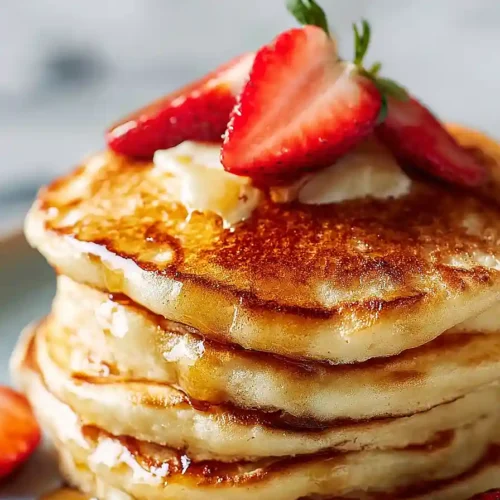
Light 3 Ingredient Cottage Cheese Pancakes
Ingredients
For the batter
- 1/3 cup cottage cheese (I prefer Good Culture for a thicker consistency)
- 1 large egg
- 4 tbsp all-purpose flour (I always use King Arthur all-purpose flour)
- 3/4 tsp baking powder
- 1/4 tsp salt
- 1/2 tbsp butter (melted and cooled to room temperature)
- 1/4 tsp vanilla extract
For serving
- maple syrup
- butter
Instructions
- Add the cottage cheese, egg, all-purpose flour, baking powder, salt, melted butter, and vanilla extract to a blender. Blend on medium speed until the mixture is completely smooth with no lumps—this usually takes 30-45 seconds. The batter should have a thick, pourable consistency. I find that letting the blended batter rest for 1-2 minutes helps it thicken slightly and cook more evenly, so prepare your pan while you wait.
- Melt 1/2 tablespoon of butter in a non-stick skillet or griddle over medium heat. Once the butter is foaming and the pan is hot, pour about 1/4 cup of batter from Step 1 onto the surface for each pancake—you should be able to make 2-3 pancakes depending on your pan size. Cook undisturbed for 1-2 minutes until you see bubbles forming on the surface and the edges appear set. Flip carefully and cook the other side for another 1-2 minutes until golden brown. I prefer medium heat because it gives the inside time to cook through while the outside gets nicely browned, which won't happen as well on high heat.
- Transfer the warm pancakes to a plate and drizzle generously with maple syrup. Serve immediately while still warm—these pancakes are delicate and best enjoyed fresh off the griddle.