Here is my favorite Greek lemon chicken recipe, with bone-in, skin-on chicken thighs marinated in a simple mixture of olive oil, fresh lemon juice, garlic, oregano, and Dijon mustard.
This Greek lemon chicken is what I make when I want dinner to feel special but don’t want to spend hours in the kitchen. The marinade does all the work, and the chicken comes out juicy every single time. My family requests this at least twice a month!
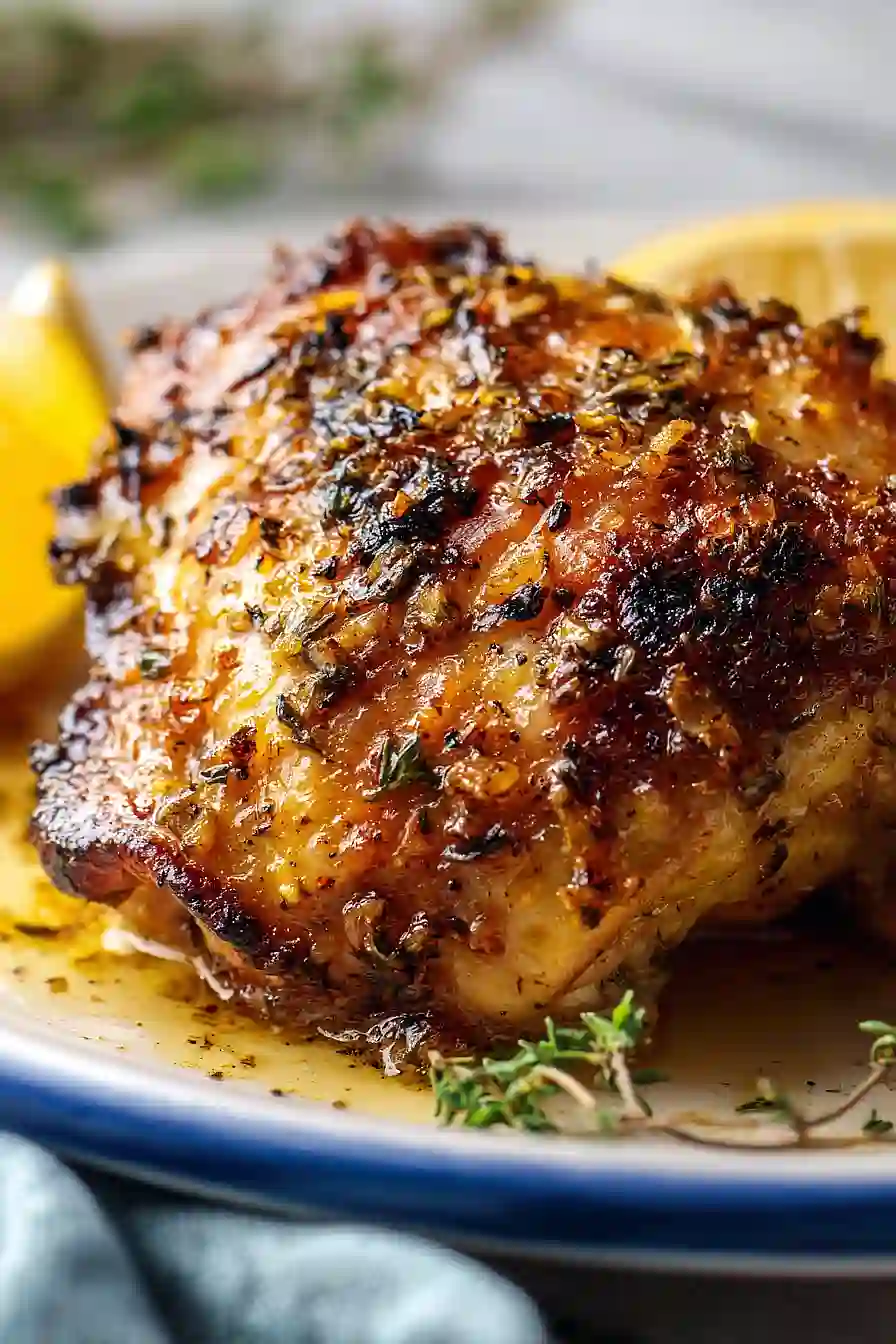
Why You’ll Love This Greek Lemon Chicken
- Bold Mediterranean flavors – The combination of lemon, garlic, and herbs creates a bright, zesty taste that makes this chicken anything but boring.
- Simple ingredients – You probably have most of these pantry staples on hand already, making this an easy go-to recipe.
- Juicy, tender chicken – Bone-in thighs stay moist and flavorful, giving you perfectly cooked chicken every time without any fuss.
- Minimal hands-on time – Most of the time is just marinating and baking, so you can prep other dishes or relax while it cooks.
- Great for meal prep – This chicken tastes even better the next day and works perfectly for lunches throughout the week.
What Kind of Chicken Should I Use?
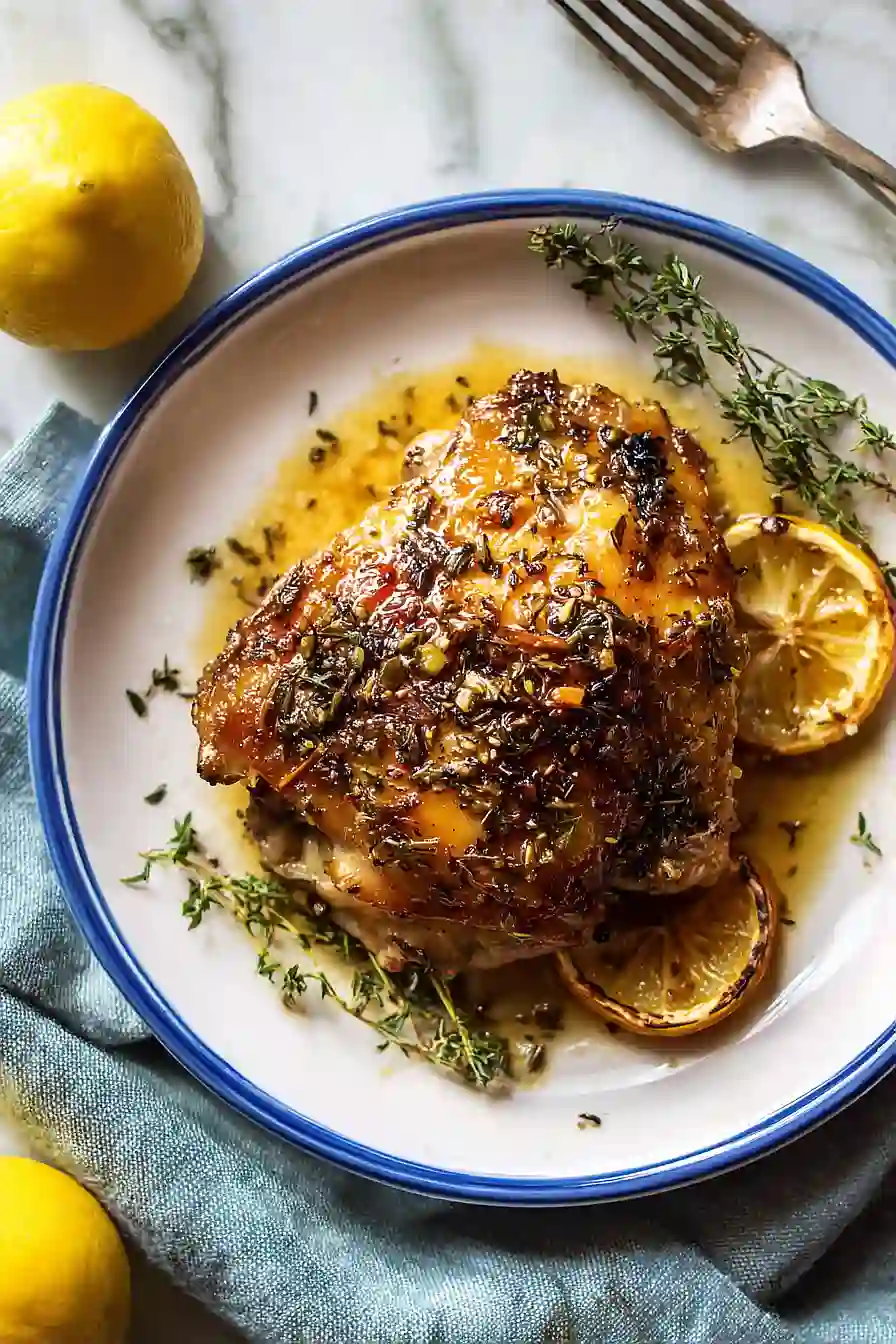
Bone-in, skin-on chicken thighs are really the way to go for this Greek lemon chicken recipe. They stay juicy and flavorful during cooking, and the bones help keep the meat tender while the skin gets nice and golden. If you can only find boneless thighs, they’ll work too, but you might need to reduce the cooking time a bit since they cook faster. Skinless chicken will also work in a pinch, though you’ll miss out on that crispy, flavorful skin that soaks up all the lemony marinade. Just make sure your chicken thighs are roughly the same size so they cook evenly.
Options for Substitutions
This Greek chicken recipe is pretty forgiving when it comes to swaps:
- Chicken thighs: You can use boneless, skinless thighs if you prefer – just reduce the cooking time by about 10-15 minutes. Chicken drumsticks work great too, though they’ll need a bit more time in the oven. Bone-in chicken breasts are also an option, but keep in mind they can dry out more easily.
- Fresh lemon juice: Freshly squeezed lemon juice really makes a difference here, but if you’re in a pinch, bottled lemon juice will work. You might want to add a teaspoon of lemon zest to brighten up the flavor.
- Dried oregano and thyme: If you have fresh herbs, use triple the amount (so 3 tablespoons oregano and 2 tablespoons thyme). Fresh herbs give a brighter flavor but need to be added in larger quantities.
- Dijon mustard: Regular yellow mustard or whole grain mustard can step in here. The flavor will be slightly different, but it’ll still help the marinade stick to the chicken.
- Olive oil: Extra-virgin is preferred for its flavor, but regular olive oil or even avocado oil will work fine in this recipe.
Watch Out for These Mistakes While Cooking
The biggest mistake with bone-in chicken thighs is not checking the internal temperature properly – you need to insert your thermometer into the thickest part of the meat without touching the bone, or you’ll get a false reading that could leave your chicken undercooked.
Marinating for less than an hour won’t give the lemon and garlic enough time to flavor the meat, but going beyond 4 hours can actually make the chicken mushy since the acid in the lemon juice starts breaking down the proteins too much.
When you’re broiling at the end for crispy skin, don’t walk away from the oven – chicken skin can go from golden to burnt in less than a minute, so keep a close eye on it during those final 2 to 3 minutes.
For extra flavor, try spooning some of the pan juices over the chicken halfway through baking, which keeps the meat moist and builds up more of that lemony goodness.

What to Serve With Greek Lemon Chicken?
This lemony chicken pairs perfectly with classic Greek sides like roasted potatoes tossed in olive oil and oregano, or a simple Greek salad with cucumbers, tomatoes, red onion, and feta cheese. I love serving it over a bed of fluffy rice pilaf or couscous, which soaks up all those amazing pan juices. For a lighter option, try it alongside some grilled vegetables like zucchini and bell peppers, or with warm pita bread and a dollop of tzatziki sauce for dipping.
Storage Instructions
Store: Leftover Greek lemon chicken keeps really well in the fridge for up to 4 days in an airtight container. The flavors actually get even better as it sits, so it’s great for meal prep throughout the week.
Freeze: This chicken freezes beautifully for up to 3 months. Let it cool completely, then store in freezer-safe containers or bags. I like to freeze individual portions so I can grab just what I need for a quick dinner.
Reheat: Warm it up in the oven at 350°F for about 15-20 minutes until heated through, or use the microwave on medium power. The oven method keeps the skin a bit crispier, but either way works great.
| Preparation Time | 10-15 minutes |
| Cooking Time | 40-45 minutes |
| Total Time | 160-190 minutes |
| Level of Difficulty | Easy |
| Servings | 8 servings |
Estimated Nutrition
Estimated nutrition for the whole recipe (without optional ingredients):
- Calories: 1700-2000
- Protein: 160-180 g
- Fat: 120-140 g
- Carbohydrates: 8-12 g
Ingredients
For the chicken:
- 8 chicken thighs (bone-in and skin-on for maximum juiciness)
For the marinade:
- 1/3 cup olive oil extra virgin
- 1/3 cup lemon juice
- 1 teaspoon lemon zest (freshly grated)
- 5 garlic cloves (freshly minced)
- 1 1/2 tablespoons dried oregano
- 2 1/2 teaspoons dried thyme
- 2 1/2 teaspoons Dijon mustard
- 1/2 teaspoon honey (optional, for caramelization)
- 2 teaspoons salt
- 1 1/4 teaspoons cracked black pepper
Step 1: Build the Marinade and Season the Chicken
- 8 chicken thighs
- 1/3 cup olive oil extra virgin
- 1/3 cup lemon juice
- 1 teaspoon lemon zest
- 5 garlic cloves
- 1 1/2 tablespoons dried oregano
- 2 1/2 teaspoons dried thyme
- 2 1/2 teaspoons Dijon mustard
- 1/2 teaspoon honey
- 2 teaspoons salt
- 1 1/4 teaspoons cracked black pepper
In a bowl, whisk together the olive oil, lemon juice, minced garlic, dried oregano, dried thyme, Dijon mustard, honey, salt, and lemon zest until well combined.
Pat the chicken thighs dry with paper towels—this is crucial for better browning and crisper skin later.
Place the dried chicken in a large bowl or zip-top bag and pour the marinade over it, making sure every piece is well coated.
Cover and refrigerate for at least 1 to 2 hours, or up to overnight if time allows; I find that letting it marinate longer develops deeper, more authentic Greek flavors.
Step 2: Sear the Chicken to Build Flavor
- marinated chicken from Step 1
Remove the marinated chicken from the refrigerator and let it sit at room temperature for 15 minutes.
Meanwhile, preheat your oven to 400°F (slightly higher than the original recipe calls for to help with browning).
Heat a large oven-safe skillet over medium-high heat until it’s very hot, then working in batches if needed to avoid crowding, place the chicken skin-side down and sear for 4-5 minutes until the skin is golden brown and some of the marinade begins to caramelize.
Flip the chicken and sear the other side for 2-3 minutes.
I love this step because it locks in flavor and gives you that beautiful golden exterior that’s essential to Greek-style chicken.
Step 3: Roast the Chicken Until Tender and Cooked Through
- seared chicken from Step 2
Pour any remaining marinade from the bowl over the seared chicken in the skillet, then transfer the entire skillet to the preheated 400°F oven.
Roast for 30-35 minutes, basting the chicken with the pan juices halfway through, until the internal temperature reaches 165°F at the thickest part of the thigh.
The skin should already be getting crispy, but we’ll finish it in the next step for maximum crispness.
Step 4: Crisp the Skin Under the Broiler
- roasted chicken from Step 3
Switch your oven to broil and place the skillet on the middle rack for 2-3 minutes, watching carefully so the skin doesn’t burn.
You’re looking for deep golden-brown, crackling skin that contrasts beautifully with the tender, juicy meat inside.
Remove from the broiler when the skin is crispy and blistered in spots.
Step 5: Rest and Serve
Let the chicken rest in the skillet for 5 minutes before serving.
This allows the juices to redistribute throughout the meat, keeping it moist and tender.
Spoon the pan juices and any caramelized bits over the chicken when plating for extra flavor and authenticity.
Garlic Greek Lemon Chicken
Ingredients
For the chicken
- 8 chicken thighs (bone-in and skin-on for maximum juiciness)
For the marinade
- 1/3 cup olive oil extra virgin
- 1/3 cup lemon juice
- 1 teaspoon lemon zest (freshly grated)
- 5 garlic cloves (freshly minced)
- 1 1/2 tablespoons dried oregano
- 2 1/2 teaspoons dried thyme
- 2 1/2 teaspoons Dijon mustard
- 1/2 teaspoon honey (optional, for caramelization)
- 2 teaspoons salt
- 1 1/4 teaspoons cracked black pepper
Instructions
- In a bowl, whisk together the olive oil, lemon juice, minced garlic, dried oregano, dried thyme, Dijon mustard, honey, salt, and lemon zest until well combined. Pat the chicken thighs dry with paper towels—this is crucial for better browning and crisper skin later. Place the dried chicken in a large bowl or zip-top bag and pour the marinade over it, making sure every piece is well coated. Cover and refrigerate for at least 1 to 2 hours, or up to overnight if time allows; I find that letting it marinate longer develops deeper, more authentic Greek flavors.
- Remove the marinated chicken from the refrigerator and let it sit at room temperature for 15 minutes. Meanwhile, preheat your oven to 400°F (slightly higher than the original recipe calls for to help with browning). Heat a large oven-safe skillet over medium-high heat until it's very hot, then working in batches if needed to avoid crowding, place the chicken skin-side down and sear for 4-5 minutes until the skin is golden brown and some of the marinade begins to caramelize. Flip the chicken and sear the other side for 2-3 minutes. I love this step because it locks in flavor and gives you that beautiful golden exterior that's essential to Greek-style chicken.
- Pour any remaining marinade from the bowl over the seared chicken in the skillet, then transfer the entire skillet to the preheated 400°F oven. Roast for 30-35 minutes, basting the chicken with the pan juices halfway through, until the internal temperature reaches 165°F at the thickest part of the thigh. The skin should already be getting crispy, but we'll finish it in the next step for maximum crispness.
- Switch your oven to broil and place the skillet on the middle rack for 2-3 minutes, watching carefully so the skin doesn't burn. You're looking for deep golden-brown, crackling skin that contrasts beautifully with the tender, juicy meat inside. Remove from the broiler when the skin is crispy and blistered in spots.
- Let the chicken rest in the skillet for 5 minutes before serving. This allows the juices to redistribute throughout the meat, keeping it moist and tender. Spoon the pan juices and any caramelized bits over the chicken when plating for extra flavor and authenticity.

