Croissants are absolutely amazing, but let’s be real—making them from scratch on a regular Tuesday morning is just not happening. Between the layers of butter, the multiple folds, and the hours of waiting, traditional croissants require way more time and patience than most of us have on a typical day.
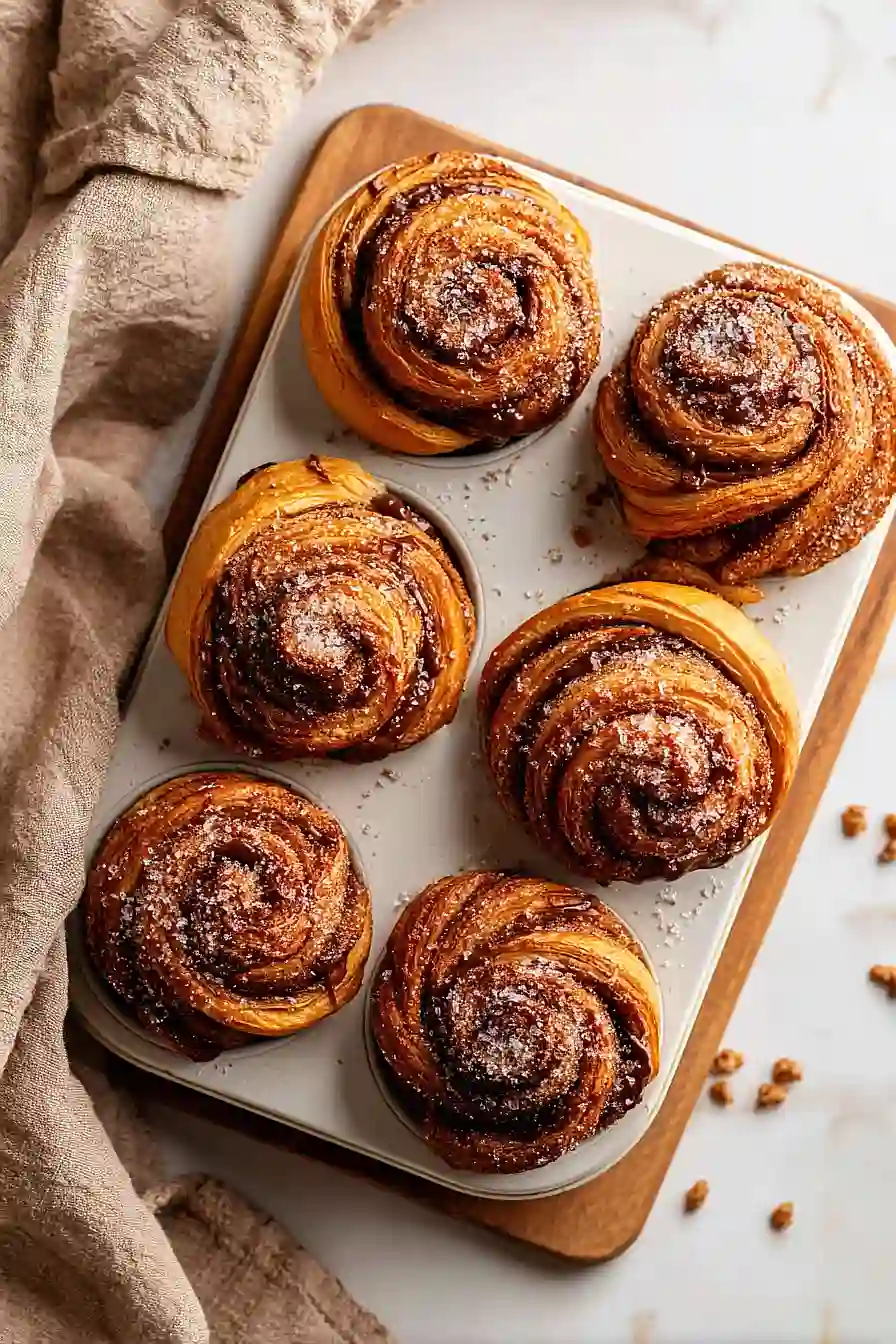
That’s where these croissant muffins come in to save the day. They give you that same buttery, flaky, slightly sweet pastry experience without all the fuss of traditional croissant-making. You still get those gorgeous layers and that melt-in-your-mouth texture, but everything happens in a muffin tin, which makes the whole process so much more manageable for busy mornings or weekend brunches.
Why You’ll Love These Croissant Muffins
- Bakery-style treat at home – These croissant muffins give you those flaky, buttery layers you’d normally pay premium prices for at a fancy bakery, all made in your own kitchen.
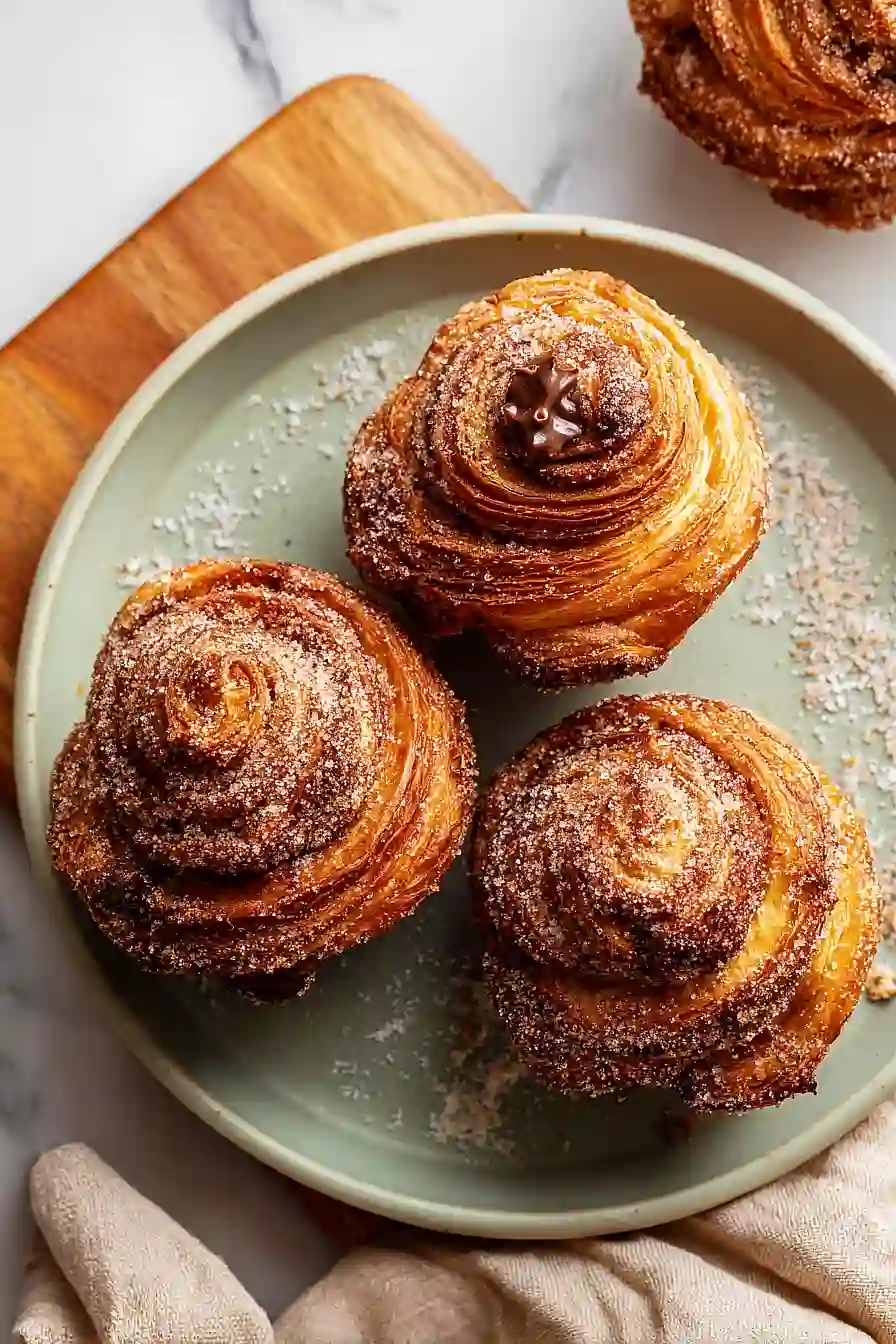
- Customizable flavors – With cinnamon sugar and Nutella options, you can make them sweet and chocolatey or keep them simple with just the cinnamon coating.
- Perfect for special occasions – Whether it’s a holiday brunch or a lazy Sunday morning, these muffins make any breakfast feel like a celebration without requiring professional baking skills.
- Impressive results – Your family and friends will think you spent hours at a pastry school when they bite into these golden, flaky muffins.
What Kind of Flour Should I Use?
All-purpose flour is your best bet for croissant muffins, and it’s probably what you already have in your pantry. You want a flour with moderate protein content that will give you a nice, tender crumb without being too tough or too delicate. Bread flour can work in a pinch, but it might make your muffins a bit chewier than you’d like since it has more protein. If you’re measuring by cups rather than weight, make sure not to pack your flour down – just spoon it into the measuring cup and level it off with a knife to avoid ending up with dry, dense muffins.
Options for Substitutions
Here are some swaps you can make if you’re missing an ingredient or two:
- Milk: Any milk works here – whole, 2%, or even non-dairy options like almond or oat milk. Just warm it slightly before adding the yeast to help it activate properly.
- Active dry yeast: If you only have instant yeast, you can use the same amount. Just mix it directly with the dry ingredients instead of dissolving it in the milk first.
- Butter: For the dough, you can use margarine or coconut oil, but I’d stick with real butter for the laminating layers – it’s what gives these muffins that classic croissant flavor and flaky texture.
- All-purpose flour: Don’t substitute the flour in this recipe. The protein content in all-purpose flour is what you need for the right texture and structure.
- Nutella: Feel free to swap Nutella with any chocolate spread, cookie butter, jam, or even leave it out for plain cinnamon sugar muffins. You could also try peanut butter or almond butter mixed with a bit of honey.
- Cinnamon: If you’re not a cinnamon fan, try cardamom for a different warm spice flavor, or just use extra sugar without any spice.
Watch Out for These Mistakes While Baking
The biggest mistake when making croissant muffins is using butter that’s too soft during the lamination process, which causes it to blend into the dough instead of creating those flaky layers – your butter should be cold but pliable, about the same consistency as the dough itself.
Skipping or rushing the chilling steps between folds might seem tempting, but this is what prevents the butter from melting into the dough and keeps those distinct layers intact, so don’t cut corners here.
When rolling out your dough, avoid pressing too hard or using too much flour, as this can squeeze out the butter and make your muffins tough instead of light and flaky.
Finally, make sure your oven is fully preheated to 350°F before baking – if it’s too cool, the butter will leak out before the dough sets, leaving you with greasy muffins instead of crispy, layered ones.

What to Serve With Croissant Muffins?
These croissant muffins are perfect for breakfast or brunch alongside a hot cup of coffee or tea. I love serving them with fresh fruit like berries or sliced oranges to balance out the buttery richness, and maybe some scrambled eggs or yogurt if you want to make it a full meal. They’re also great on their own as an afternoon snack with a glass of cold milk. If you’re hosting brunch, set them out with some jam, honey, or extra Nutella for spreading, and watch them disappear in minutes.
Storage Instructions
Store: Keep your croissant muffins in an airtight container at room temperature for up to 2 days. They’re honestly best enjoyed fresh, but if you need to save them, make sure they’ve cooled completely first to keep them from getting too soft.
Freeze: These muffins freeze really well for up to 2 months. Wrap each one individually in plastic wrap, then place them all in a freezer bag. This way you can grab just one or two whenever a craving hits!
Warm Up: To bring back that fresh-baked taste, let frozen muffins thaw at room temperature for about an hour. Then pop them in a 350°F oven for 5-7 minutes to crisp up the outside again. You can also microwave them for 20-30 seconds if you’re in a hurry, though they won’t be quite as flaky.
| Preparation Time | 200-240 minutes |
| Cooking Time | 25-30 minutes |
| Total Time | 225-270 minutes |
| Level of Difficulty | Hard |
| Servings | 12 muffins |
Estimated Nutrition
Estimated nutrition for the whole recipe (without optional ingredients):
- Calories: 3500-3800
- Protein: 45-55 g
- Fat: 190-210 g
- Carbohydrates: 420-450 g
Ingredients
For the dough:
- 1 cup milk (lukewarm, ideally 105°F to 110°F)
- 2 1/4 tsp yeast (I use Red Star Active Dry Yeast)
- 3 1/2 tbsp sugar
- 3 tbsp butter (softened to room temperature, about 70°F)
- 3 1/4 cups all-purpose flour (I always use King Arthur all-purpose flour)
- 1 1/4 tsp salt
For the lamination:
- 1 1/4 cups butter (I like Kerrygold unsalted butter for this)
- 1 tbsp flour
For the coating:
- 3/4 cup sugar
- 1 1/2 tbsp cinnamon
- 1/4 tsp ground nutmeg
For the filling (optional):
- 6 tbsp Nutella (optional but recommended for a rich center)
Step 1: Activate Yeast and Build the Dough Base
- 1 cup milk
- 2 1/4 tsp yeast
- 3 1/2 tbsp sugar
- 3 tbsp butter
- 3 1/4 cups all-purpose flour
- 1 1/4 tsp salt
Pour the lukewarm milk into a bowl and sprinkle the yeast and 3 1/2 tablespoons sugar over it.
Let this mixture sit undisturbed for 5 minutes—this bloom time activates the yeast and ensures proper fermentation.
Add the softened 3 tablespoons butter, then mix in 2 cups of flour and the salt, mixing for about 2 minutes until combined.
Add the remaining 1 1/4 cups flour and mix until a soft, shaggy dough forms.
Knead the dough for 5 minutes until it becomes smooth and slightly elastic.
Step 2: First Rise and Prepare for Lamination
- dough from Step 1
Place the dough from Step 1 in a lightly greased bowl, cover with a damp towel or plastic wrap, and let it rise at room temperature for 2 hours until roughly doubled in size.
After rising, flatten the dough into a 10×14 inch rectangle on a lightly floured surface, cover it, and chill in the refrigerator for 20 minutes.
This chilling step makes the dough easier to work with and prepares it for the lamination process.
Step 3: Create Laminated Layers with Butter Folds
- dough from Step 2
- 1 1/4 cups butter
- 1 tbsp flour
While the dough chills, mix the 1 1/4 cups cold butter with 1 tablespoon flour in a bowl until it forms a spreadable paste—this prevents the butter from tearing through the dough.
Remove the chilled dough from the fridge and spread the butter mixture over the center two-thirds of the rectangle, then fold the dough into thirds like a letter (folding the unbuttered third first, then the other side over top) and seal the edges gently.
Roll the folded dough into a 9×12 inch rectangle and fold into thirds again, then chill for 20 minutes.
Repeat this rolling-and-folding process two more times (for a total of three folds), chilling for 20 minutes between each fold.
I find that these multiple folds create the beautiful, flaky croissant layers that make these muffins special—patience with the chilling steps really pays off in the final texture.
Step 4: Mix Filling and Prepare Muffin Pan
- 3/4 cup sugar
- 1 1/2 tbsp cinnamon
- 1/4 tsp ground nutmeg
While the final laminated dough chills, preheat your oven to 350°F and grease a 12-cup muffin pan.
In a small bowl, mix together the 3/4 cup sugar, 1 1/2 tablespoons cinnamon, and 1/4 teaspoon ground nutmeg—this is your cinnamon-sugar filling and topping.
Step 5: Shape and Assemble the Croissant Muffins
- laminated dough from Step 3
- cinnamon-sugar mixture from Step 4
- 6 tbsp Nutella
Remove the laminated dough from the fridge and cut it into 3 equal pieces.
Working with one piece at a time, roll it into an 8×12 inch rectangle and sprinkle 2 tablespoons of the cinnamon-sugar mixture over the entire surface.
Cut the rectangle into 12 thin strips (about 2/3 inch wide), stack 3 strips on top of each other, then roll the stack into a tight spiral.
Place each spiral seam-side down into a muffin cup.
Repeat with the remaining two pieces of dough and cinnamon sugar.
I like to add about 1/2 tablespoon of Nutella to the center of each spiral before rolling for extra richness, but this is optional—it creates a delicious surprise when you bite into the warm muffin.
Step 6: Final Rise and Bake
- muffins from Step 5
Cover the muffin pan with a damp towel or plastic wrap and let the shaped muffins rise at room temperature for 1 hour until they’re puffy and nearly doubled.
Bake in the preheated 350°F oven for 25 to 28 minutes until the muffins are golden brown and register an internal temperature of 200°F when a thermometer is inserted into the center of one.
Step 7: Finish and Serve
- baked muffins from Step 6
- remaining cinnamon-sugar mixture
Remove the muffins from the oven and let them cool in the pan for 2-3 minutes until they’re still warm but handleable.
Turn them out onto a plate or work surface while still warm and roll them in the remaining cinnamon-sugar mixture to coat all sides.
Serve warm for the best croissant-like texture and flakiness.

Easy Croissant Muffins
Ingredients
For the dough
- 1 cup milk (lukewarm, ideally 105°F to 110°F)
- 2 1/4 tsp yeast (I use Red Star Active Dry Yeast)
- 3 1/2 tbsp sugar
- 3 tbsp butter (softened to room temperature, about 70°F)
- 3 1/4 cups all-purpose flour (I always use King Arthur all-purpose flour)
- 1 1/4 tsp salt
For the lamination
- 1 1/4 cups butter (I like Kerrygold unsalted butter for this)
- 1 tbsp flour
For the coating
- 3/4 cup sugar
- 1 1/2 tbsp cinnamon
- 1/4 tsp ground nutmeg
For the filling (optional)
- 6 tbsp Nutella (optional but recommended for a rich center)
Instructions
- Pour the lukewarm milk into a bowl and sprinkle the yeast and 3 1/2 tablespoons sugar over it. Let this mixture sit undisturbed for 5 minutes—this bloom time activates the yeast and ensures proper fermentation. Add the softened 3 tablespoons butter, then mix in 2 cups of flour and the salt, mixing for about 2 minutes until combined. Add the remaining 1 1/4 cups flour and mix until a soft, shaggy dough forms. Knead the dough for 5 minutes until it becomes smooth and slightly elastic.
- Place the dough from Step 1 in a lightly greased bowl, cover with a damp towel or plastic wrap, and let it rise at room temperature for 2 hours until roughly doubled in size. After rising, flatten the dough into a 10x14 inch rectangle on a lightly floured surface, cover it, and chill in the refrigerator for 20 minutes. This chilling step makes the dough easier to work with and prepares it for the lamination process.
- While the dough chills, mix the 1 1/4 cups cold butter with 1 tablespoon flour in a bowl until it forms a spreadable paste—this prevents the butter from tearing through the dough. Remove the chilled dough from the fridge and spread the butter mixture over the center two-thirds of the rectangle, then fold the dough into thirds like a letter (folding the unbuttered third first, then the other side over top) and seal the edges gently. Roll the folded dough into a 9x12 inch rectangle and fold into thirds again, then chill for 20 minutes. Repeat this rolling-and-folding process two more times (for a total of three folds), chilling for 20 minutes between each fold. I find that these multiple folds create the beautiful, flaky croissant layers that make these muffins special—patience with the chilling steps really pays off in the final texture.
- While the final laminated dough chills, preheat your oven to 350°F and grease a 12-cup muffin pan. In a small bowl, mix together the 3/4 cup sugar, 1 1/2 tablespoons cinnamon, and 1/4 teaspoon ground nutmeg—this is your cinnamon-sugar filling and topping.
- Remove the laminated dough from the fridge and cut it into 3 equal pieces. Working with one piece at a time, roll it into an 8x12 inch rectangle and sprinkle 2 tablespoons of the cinnamon-sugar mixture over the entire surface. Cut the rectangle into 12 thin strips (about 2/3 inch wide), stack 3 strips on top of each other, then roll the stack into a tight spiral. Place each spiral seam-side down into a muffin cup. Repeat with the remaining two pieces of dough and cinnamon sugar. I like to add about 1/2 tablespoon of Nutella to the center of each spiral before rolling for extra richness, but this is optional—it creates a delicious surprise when you bite into the warm muffin.
- Cover the muffin pan with a damp towel or plastic wrap and let the shaped muffins rise at room temperature for 1 hour until they're puffy and nearly doubled. Bake in the preheated 350°F oven for 25 to 28 minutes until the muffins are golden brown and register an internal temperature of 200°F when a thermometer is inserted into the center of one.
- Remove the muffins from the oven and let them cool in the pan for 2-3 minutes until they're still warm but handleable. Turn them out onto a plate or work surface while still warm and roll them in the remaining cinnamon-sugar mixture to coat all sides. Serve warm for the best croissant-like texture and flakiness.