I’d never thought about grilling potatoes before making mashed potatoes until a camping trip where I had no stove access. Turns out, grilling them first adds a smoky flavor that you just can’t get from boiling. Plus, it frees up your stovetop for other dishes.
The method is pretty straightforward—you’re basically swapping out the boiling step for grilling. Pierce your potatoes with a fork, throw them on the grill, and let them get tender. Then you mash them up with butter, half and half, and chicken stock just like you normally would. The result is mashed potatoes that taste like they’ve been to summer camp in the best way possible.
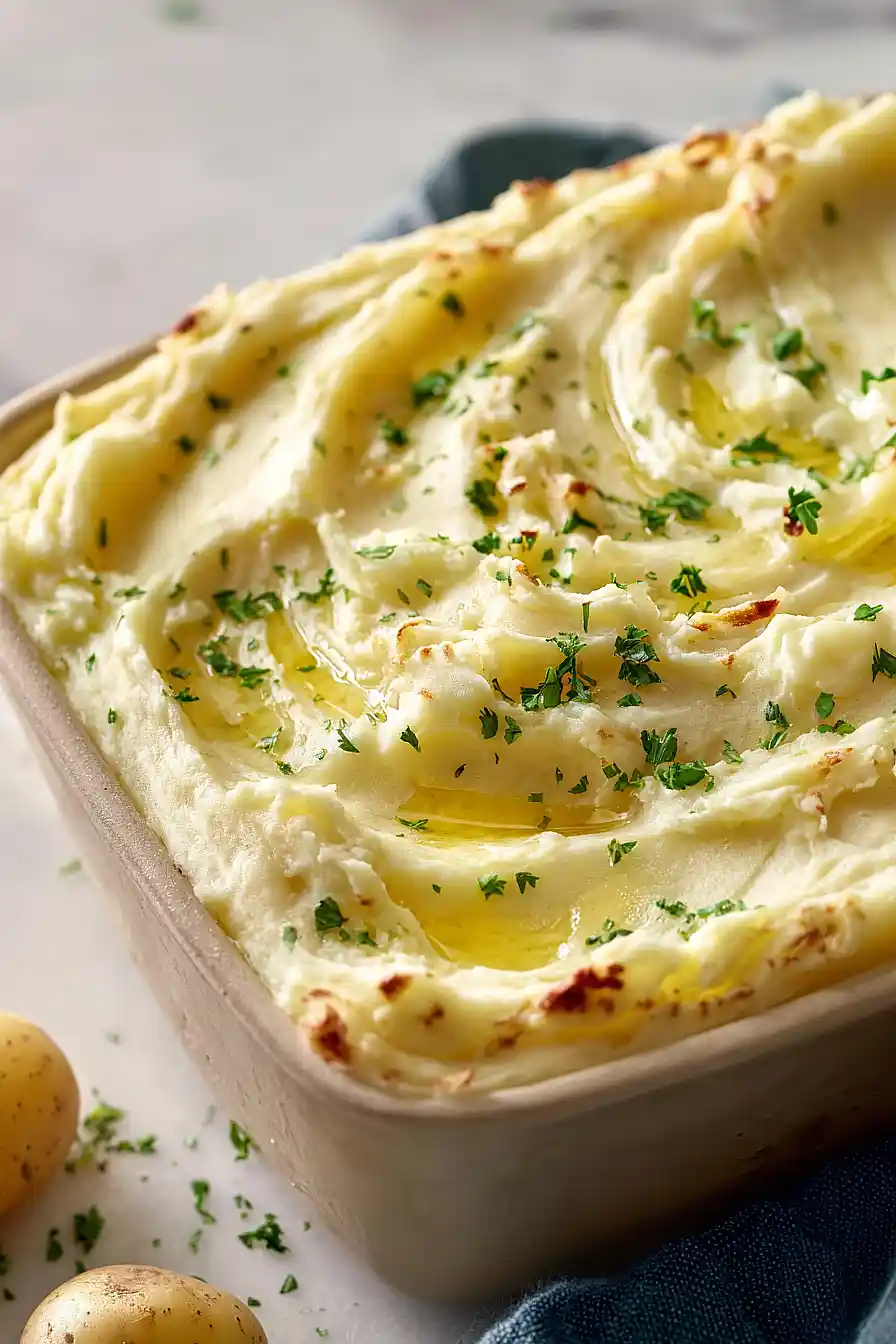
Why You’ll Love These Grilled Mashed Potatoes
- Unique twist on a classic – Grilling your mashed potatoes adds a smoky flavor and crispy edges that you just can’t get from regular stovetop mashed potatoes.
- Perfect for cookouts – Since they’re made on the grill, you can free up your stovetop and oven for other dishes while still serving up creamy, delicious potatoes.
- Simple ingredients – You probably have everything you need already – just potatoes, butter, dairy, and basic seasonings.
- Impressive side dish – Your guests will be talking about these at your next barbecue because they’re not your everyday mashed potatoes.
What Kind of Potatoes Should I Use?
Idaho potatoes, also known as russet potatoes, are perfect for this recipe because they’re starchy and fluffy when mashed. You could also use Yukon Gold potatoes if that’s what you have on hand – they’ll give you a creamier, slightly buttery texture. The key is to avoid waxy potatoes like red potatoes or fingerlings, since they don’t mash as well and can turn gummy. When picking out your potatoes at the store, look for ones that are firm with no soft spots or green patches, and try to choose potatoes that are similar in size so they cook evenly.
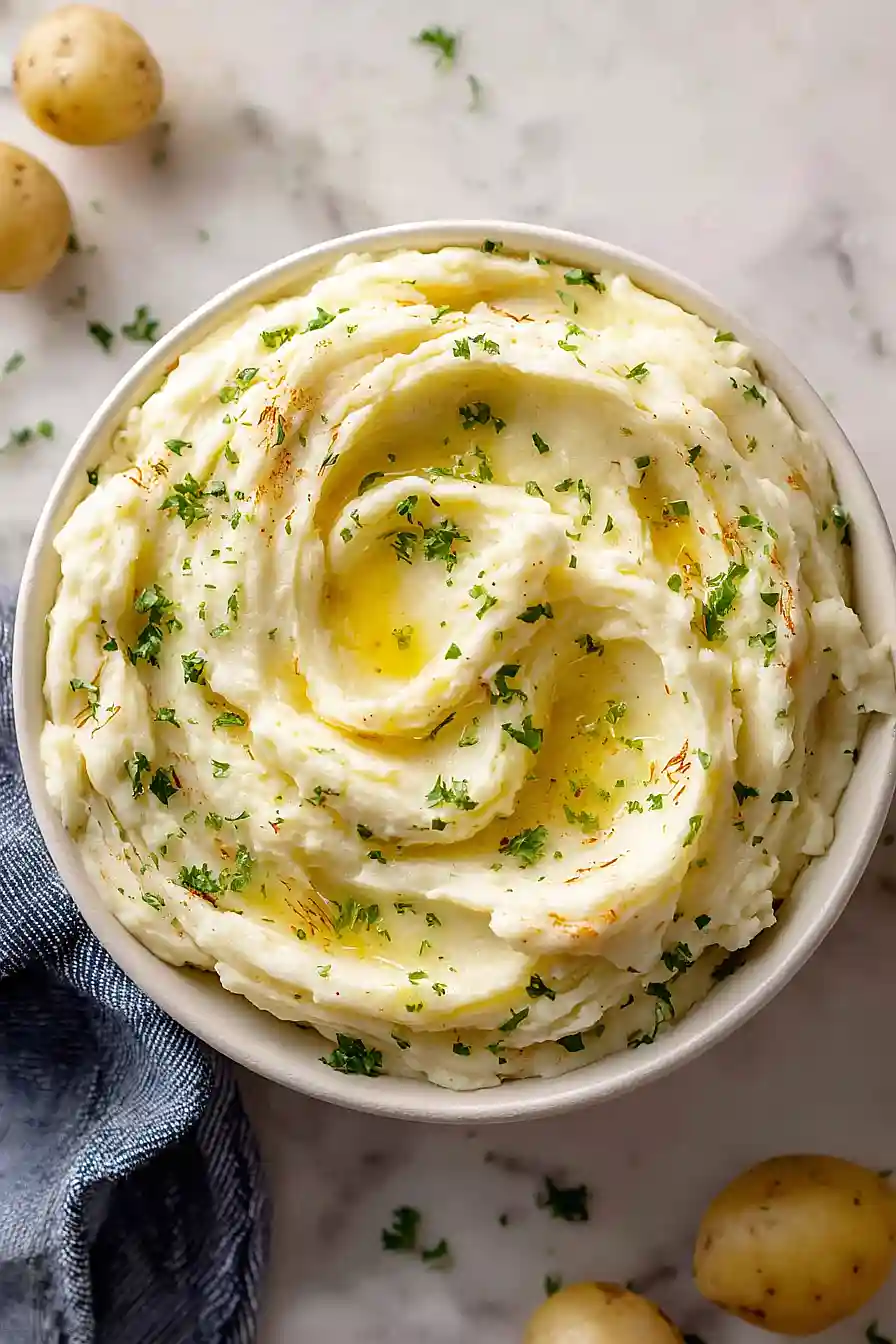
Options for Substitutions
This recipe is pretty forgiving when it comes to swaps, so here are some options:
- Idaho potatoes: Russet potatoes work just as well as Idaho potatoes – they’re actually quite similar. Yukon golds will give you a creamier, slightly buttery flavor, though the texture will be a bit different.
- Half and half: You can use whole milk, heavy cream, or even a mix of both. For a lighter version, try 2% milk, though your potatoes won’t be quite as creamy. If you’re dairy-free, unsweetened almond or oat milk works, but add a bit more butter for richness.
- Butter: Olive oil or ghee can replace butter if needed. Use the same amount, but keep in mind the flavor will be slightly different.
- Chicken broth: Vegetable broth is an easy swap, or you can use more milk or half and half instead. The broth adds savory depth, so if you skip it, consider adding a bit more salt.
- White pepper: Regular black pepper works fine here. White pepper just keeps the potatoes looking smooth and creamy without the black specks.
Watch Out for These Mistakes While Grilling
The biggest mistake when grilling potatoes is not piercing them with a fork before cooking, which can cause them to explode on the grill from built-up steam – make several deep pokes all around each potato to let moisture escape safely.
Many people pull their potatoes off the grill too early, but waiting until they reach that internal temperature of 205-210°F is what gives you fluffy, mashable potatoes instead of dense, gummy ones.
When adding your liquids, pour them in gradually while mashing rather than dumping everything in at once, which helps you control the consistency and avoid ending up with soupy potatoes.
For extra flavor, try warming your half and half and chicken broth before mixing them in, as cold liquids can cool down your potatoes and make them harder to get smooth.
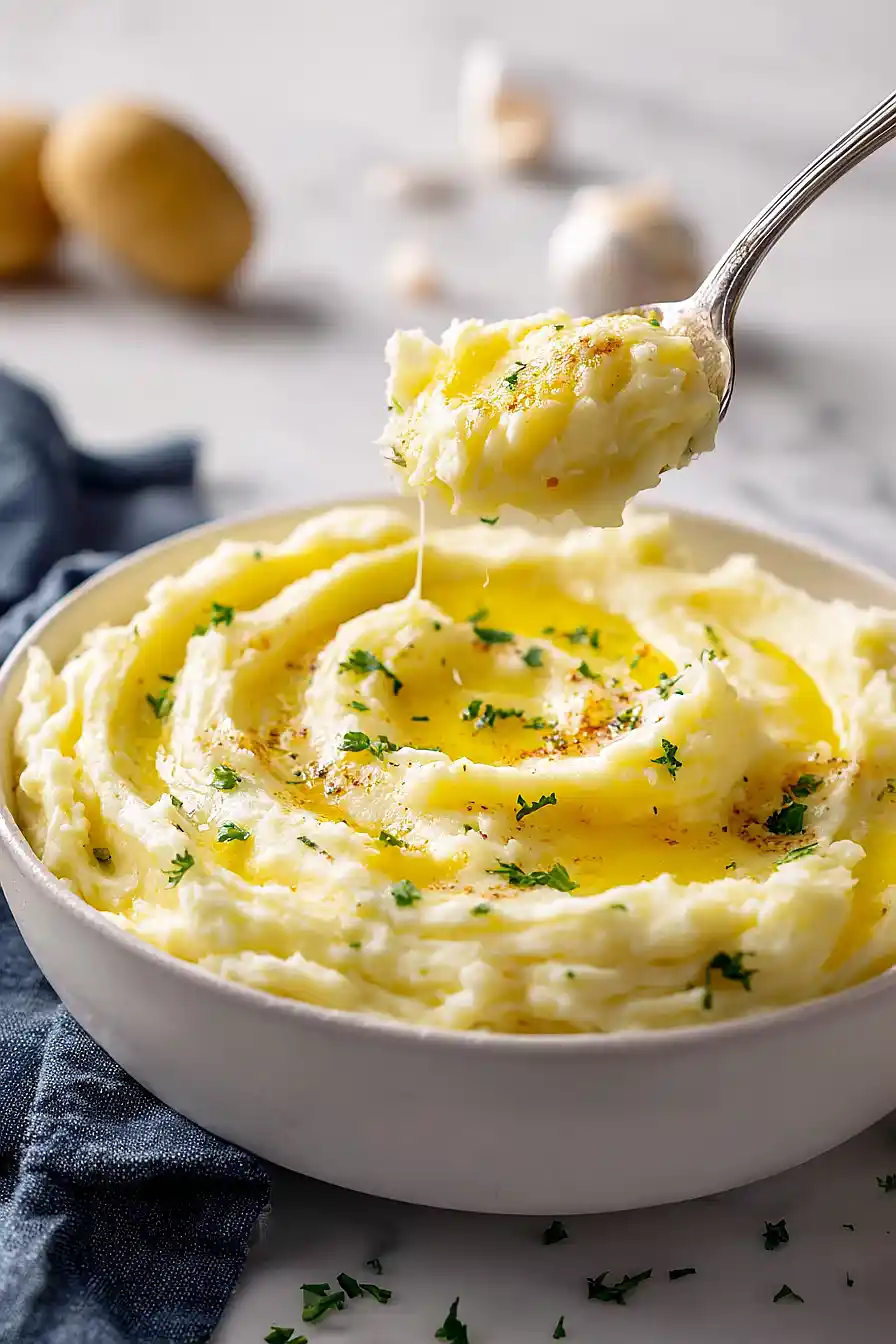
What to Serve With Grilled Mashed Potatoes?
Grilled mashed potatoes are perfect alongside any grilled meat like steak, chicken breasts, or pork chops since you’ve already got the grill going. I love pairing them with a simple grilled vegetable medley – think zucchini, bell peppers, and asparagus brushed with olive oil and seasoned with salt and pepper. If you’re going for a full barbecue spread, these work great with ribs, brisket, or even grilled sausages, and don’t forget a side of coleslaw or a fresh garden salad to round out the plate.
Storage Instructions
Store: Keep your grilled mashed potatoes in an airtight container in the fridge for up to 4 days. They might firm up a bit as they cool, but that’s totally normal and they’ll taste great when you warm them back up.
Freeze: These freeze pretty well for up to 2 months. Just portion them out in freezer-safe containers or bags, and make sure to press out any extra air. When you’re ready to use them, thaw overnight in the fridge before reheating.
Reheat: Warm them up in a skillet over medium heat with a splash of butter or milk to bring back that creamy texture. You can also microwave them, but add a little extra half and half or broth and stir halfway through to keep them from drying out.
| Preparation Time | 10-15 minutes |
| Cooking Time | 90-100 minutes |
| Total Time | 100-115 minutes |
| Level of Difficulty | Easy |
| Servings | 6 servings |
Estimated Nutrition
Estimated nutrition for the whole recipe (without optional ingredients):
- Calories: 900-1050
- Protein: 15-18 g
- Fat: 28-34 g
- Carbohydrates: 150-170 g
Ingredients
For the potatoes:
- 5 medium russet potatoes (scrubbed and pierced with a fork for grilling)
For the mash mix:
- 6 tablespoons unsalted butter (such as Kerrygold)
- 1/2 cup half and half
- 1/2 cup chicken stock (such as Swanson)
- 1 1/4 teaspoons salt
- 1 teaspoon seasoned salt (such as Lawry’s)
- 1/2 teaspoon black pepper
- 1/2 teaspoon garlic powder
Step 1: Prepare Potatoes for Grilling
- 5 medium russet potatoes
Scrub the russet potatoes thoroughly under cold running water to remove any dirt, then pat them dry.
Using a fork, pierce each potato multiple times all over—this prevents them from bursting during cooking and allows heat to penetrate more evenly.
This prep work takes just a few minutes but makes a significant difference in cooking time and texture.
Step 2: Grill Potatoes Until Tender
- prepared potatoes from Step 1
Preheat your grill to 300°F (or use a 300°F oven if you prefer).
Place the pierced potatoes directly on the grill grates and cook for approximately 90 minutes, or until a meat thermometer inserted into the center reads 205-210°F.
This low-and-slow method creates incredibly creamy potatoes by allowing the starch to fully gelatinize.
I find that grilling adds a subtle smoky depth that you won’t get from boiling.
Step 3: Cool and Scoop Potatoes
- grilled potatoes from Step 2
Remove the potatoes from the grill and let them cool for 5-10 minutes until they’re comfortable to handle.
Once cooled slightly, cut each potato in half lengthwise and use a spoon to scoop out the soft interior flesh, leaving the skin behind.
Discard the skins and place all the scooped potato flesh into a medium bowl—you should have roughly 4 cups of cooked potato.
Step 4: Build the Mashed Potato Base
- scooped potatoes from Step 3
- 6 tablespoons unsalted butter
Mash the hot cooked potatoes vigorously with a potato masher until mostly smooth, though a few small lumps are fine and add texture.
While the potatoes are still warm, add the butter and stir until fully melted and incorporated.
The residual heat will help the butter distribute evenly throughout the potatoes, creating a silky base.
Step 5: Finish with Liquid and Seasonings
- mashed potato mixture from Step 4
- 1/2 cup half and half
- 1/2 cup chicken stock
- 1 1/4 teaspoons salt
- 1 teaspoon seasoned salt
- 1/2 teaspoon black pepper
- 1/2 teaspoon garlic powder
Pour in the half and half and chicken stock gradually while stirring constantly, mixing until you reach your desired consistency—start with three-quarters of the liquid and add more as needed for a smooth, creamy texture.
Add the salt, seasoned salt, black pepper, and garlic powder, stirring well to combine.
I prefer to taste and adjust the seasonings at this point rather than relying solely on measurements, as different brands of broth vary in saltiness.
Heat gently over low heat (or on the stovetop) for 2-3 minutes, stirring occasionally, until the mixture is smooth, creamy, and warmed through.
Classic Grilled Mashed Potatoes
Ingredients
For the potatoes
- 5 medium russet potatoes (scrubbed and pierced with a fork for grilling)
For the mash mix
- 6 tablespoons unsalted butter (such as Kerrygold)
- 1/2 cup half and half
- 1/2 cup chicken stock (such as Swanson)
- 1 1/4 teaspoons salt
- 1 teaspoon seasoned salt (such as Lawry's)
- 1/2 teaspoon black pepper
- 1/2 teaspoon garlic powder
Instructions
- Scrub the russet potatoes thoroughly under cold running water to remove any dirt, then pat them dry. Using a fork, pierce each potato multiple times all over—this prevents them from bursting during cooking and allows heat to penetrate more evenly. This prep work takes just a few minutes but makes a significant difference in cooking time and texture.
- Preheat your grill to 300°F (or use a 300°F oven if you prefer). Place the pierced potatoes directly on the grill grates and cook for approximately 90 minutes, or until a meat thermometer inserted into the center reads 205-210°F. This low-and-slow method creates incredibly creamy potatoes by allowing the starch to fully gelatinize. I find that grilling adds a subtle smoky depth that you won't get from boiling.
- Remove the potatoes from the grill and let them cool for 5-10 minutes until they're comfortable to handle. Once cooled slightly, cut each potato in half lengthwise and use a spoon to scoop out the soft interior flesh, leaving the skin behind. Discard the skins and place all the scooped potato flesh into a medium bowl—you should have roughly 4 cups of cooked potato.
- Mash the hot cooked potatoes vigorously with a potato masher until mostly smooth, though a few small lumps are fine and add texture. While the potatoes are still warm, add the butter and stir until fully melted and incorporated. The residual heat will help the butter distribute evenly throughout the potatoes, creating a silky base.
- Pour in the half and half and chicken stock gradually while stirring constantly, mixing until you reach your desired consistency—start with three-quarters of the liquid and add more as needed for a smooth, creamy texture. Add the salt, seasoned salt, black pepper, and garlic powder, stirring well to combine. I prefer to taste and adjust the seasonings at this point rather than relying solely on measurements, as different brands of broth vary in saltiness. Heat gently over low heat (or on the stovetop) for 2-3 minutes, stirring occasionally, until the mixture is smooth, creamy, and warmed through.