I’ll be honest – I used to think baked eggs were fancy restaurant food. The kind of thing you order at brunch and wonder how they got them so creamy. Then I realized they’re actually one of the easiest things to make at home. You just crack some eggs into ramekins, add a few simple ingredients, and let the oven do all the work.
These baked French eggs are my go-to when I want to feel like I’m treating myself without actually putting in much effort. They’re rich and creamy, thanks to the parmesan and heavy cream, but they come together in about five minutes of prep time. I like making them on lazy weekend mornings or when we have guests staying over. Everyone gets their own little dish, which makes breakfast feel a bit more special.
The best part? You can get everything ready the night before. Just crack the eggs into the ramekins, cover them with plastic wrap, and pop them in the fridge. In the morning, add the cream and cheese, slide them in the oven, and you’re done. No flipping, no watching the stove, no stress.
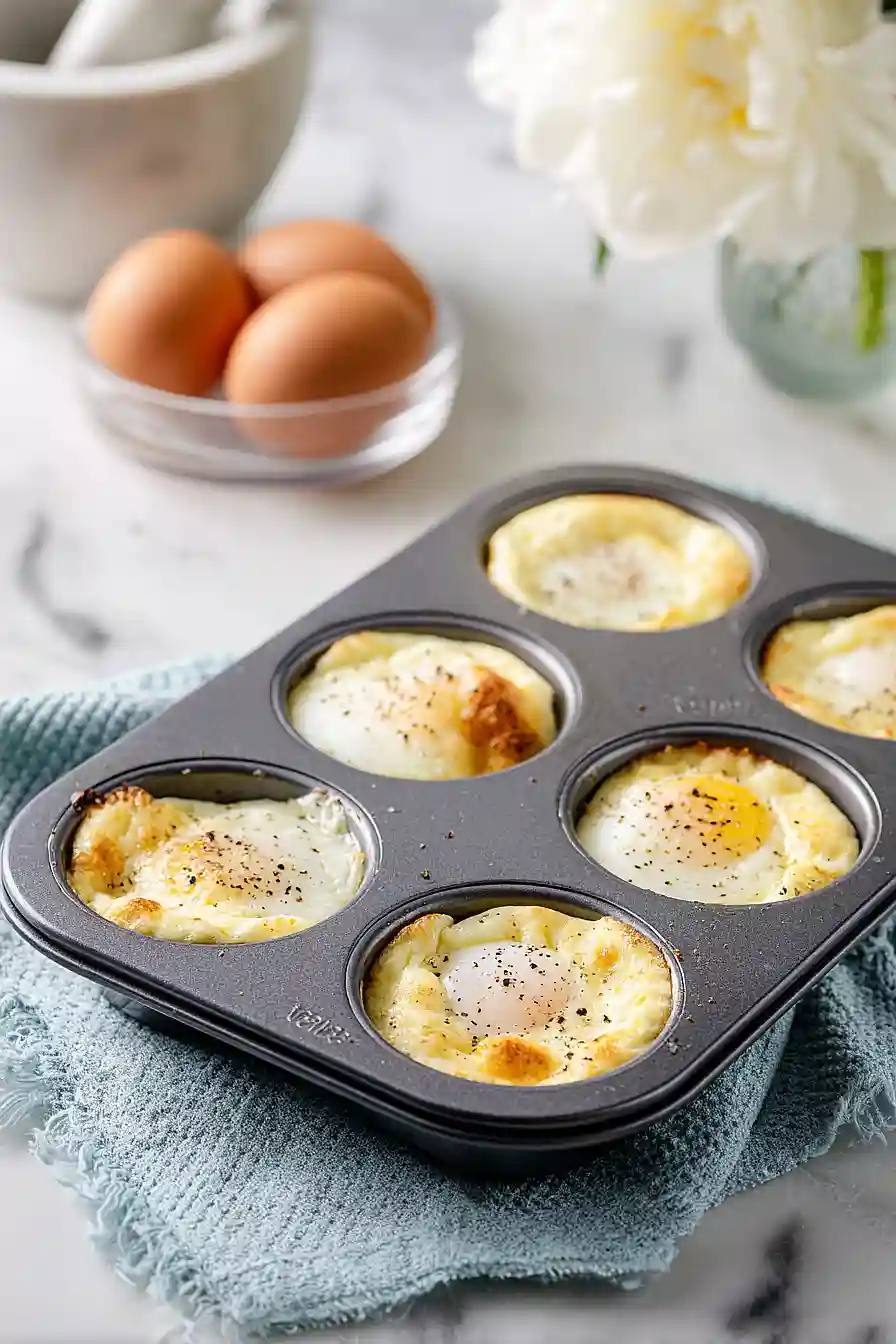
Why You’ll Love These Baked French Eggs
- Quick and easy – Ready in just 15-25 minutes, this recipe is perfect for busy mornings when you need a satisfying breakfast without spending forever in the kitchen.
- Simple ingredients – With only five basic ingredients, you can whip up this dish without a special trip to the grocery store.
- High-protein breakfast – Packed with eggs and Parmesan cheese, this dish keeps you full and energized throughout the morning.
- Impressive yet effortless – The creamy, cheesy eggs look fancy enough for brunch guests but are so simple that you’ll want to make them on regular weekdays too.
What Kind of Eggs Should I Use?
For baked French eggs, any fresh eggs from your grocery store will work just fine, whether they’re conventional, cage-free, or organic. The fresher your eggs are, the better they’ll taste, so check the expiration date and try to use eggs that are as fresh as possible. If you have access to farm-fresh eggs, those are always a treat and will give you a richer flavor and deeper yolk color. Room temperature eggs tend to bake more evenly than cold ones straight from the fridge, so if you have time, let them sit out for about 20 minutes before you start cooking.

Options for Substitutions
This simple recipe is easy to adapt based on what you have in your kitchen:
- Parmesan cheese: You can swap Parmesan for Gruyère, sharp cheddar, or even crumbled feta for a different flavor profile. Just keep the same amount – 8 oz total.
- Heavy cream: Half-and-half works well if you want something a bit lighter, or you can use whole milk mixed with 2 tablespoons of butter for a similar richness. Avoid skim milk as it won’t give you that creamy texture.
- Eggs: The eggs are really the star here, so I wouldn’t recommend substituting them. You need real eggs for this dish to work properly.
Watch Out for These Mistakes While Baking
The biggest mistake people make with baked eggs is overcooking them, which turns the yolks chalky and the whites rubbery – since eggs continue cooking even after you pull them from the oven, remove them when they look slightly underdone for your preferred doneness level.
Another common error is forgetting to grease the muffin pan well enough, making it nearly impossible to remove the eggs without them sticking and breaking apart, so use plenty of butter or cooking spray in each cup.
Temperature matters more than you’d think, so make sure your oven is fully preheated to 425°F before the eggs go in, otherwise they’ll cook unevenly and won’t set properly.
Finally, adding the cream and cheese before baking rather than after helps create a creamier texture, and don’t skip the salt and pepper since eggs need proper seasoning to really shine.
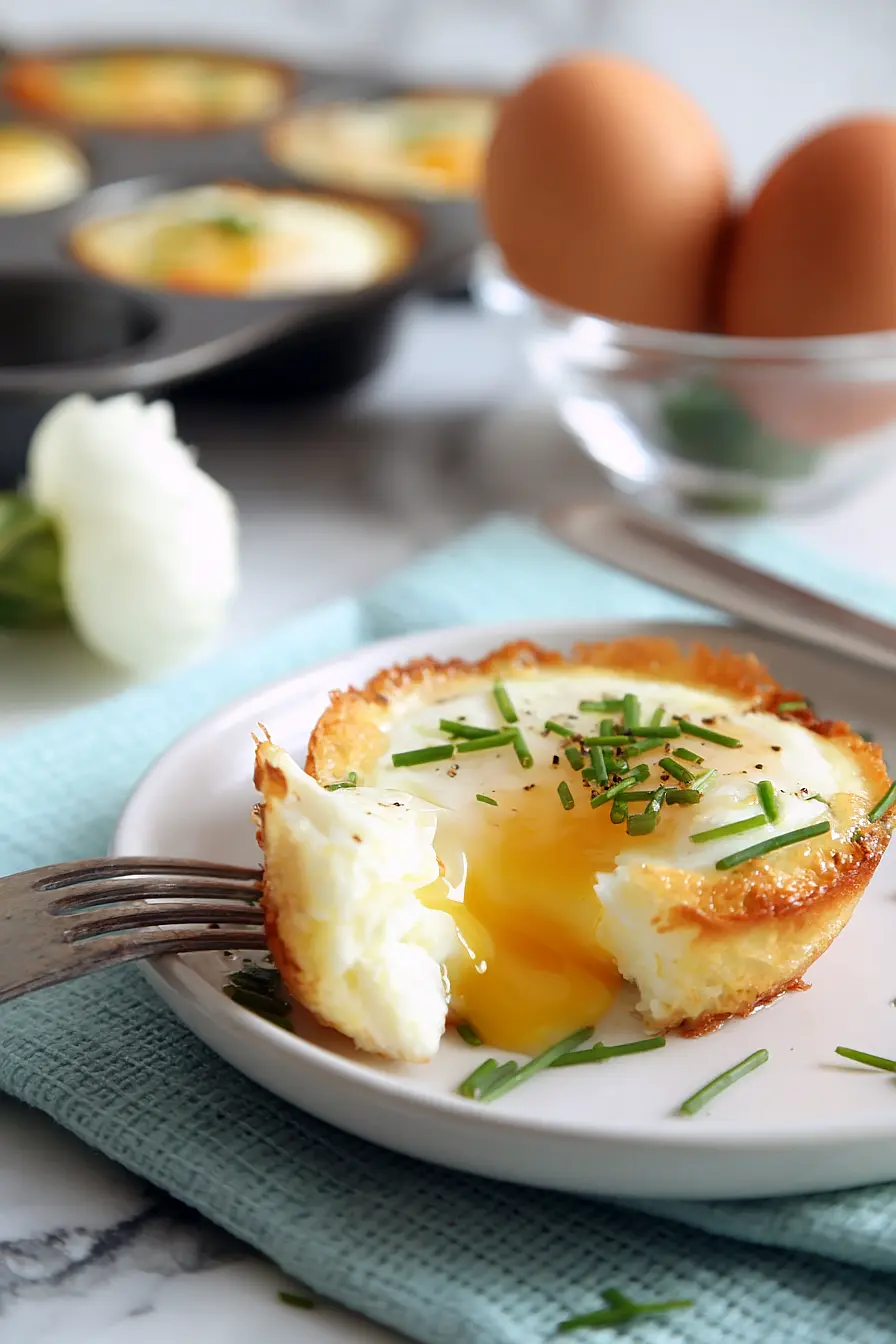
What to Serve With Baked French Eggs?
These rich, cheesy baked eggs are perfect for brunch alongside some toasted baguette slices or crusty sourdough bread for scooping up all that creamy goodness. I love serving them with a simple arugula salad dressed with lemon and olive oil to cut through the richness of the eggs and cream. If you’re feeding a crowd, add some crispy bacon or breakfast sausage on the side, and maybe some fresh fruit like berries or melon to round out the meal. For a heartier option, roasted potatoes or hash browns make a great addition to turn this into a filling breakfast or brunch spread.
Storage Instructions
Store: Baked French eggs are best enjoyed fresh from the oven, but you can keep leftovers in an airtight container in the fridge for up to 2 days. The texture won’t be quite as creamy as when they’re first baked, but they still make a quick breakfast option.
Reheat: Warm up your leftover eggs in the microwave for about 30-45 seconds on medium power, checking halfway through. You can also reheat them in a 300°F oven for about 10 minutes if you prefer. Just keep an eye on them so they don’t overcook and get rubbery.
| Preparation Time | 5-10 minutes |
| Cooking Time | 10-15 minutes |
| Total Time | 15-25 minutes |
| Level of Difficulty | Easy |
| Servings | 12 servings |
Estimated Nutrition
Estimated nutrition for the whole recipe (without optional ingredients):
- Calories: 1400-1550
- Protein: 90-102 g
- Fat: 105-115 g
- Carbohydrates: 6-8 g
Ingredients
- 12 eggs (at room temperature to ensure even baking)
- 10 oz parmesan cheese (I prefer Sartori for a rich, nutty flavor)
- 3/4 cup heavy cream (I always use Horizon Organic for the best texture)
- salt
- pepper
- 1 tbsp fresh chives, minced
Step 1: Prepare Your Mise en Place and Preheat
- butter or cooking spray for greasing
- 10 oz Parmesan cheese, finely grated
- 1 tbsp fresh chives, minced
- 3/4 cup heavy cream, measured
- salt
- pepper
Preheat your oven to 425°F and lightly grease a 12-cup muffin pan with butter or cooking spray, making sure each cup is evenly coated to prevent sticking.
While the oven heats, grate your Parmesan cheese finely (you’ll want about 10 oz total) and mince the fresh chives.
Measure out your heavy cream and have salt and pepper nearby.
This prep work takes just a few minutes and ensures everything is ready when you need it.
Step 2: Crack and Season the Eggs
- 12 eggs
- 3/4 cup heavy cream
- salt
- pepper
- grated Parmesan from Step 1
Crack one egg into each cup of the prepared muffin pan, keeping the yolks as intact as possible.
To each egg, add about 1 teaspoon of the heavy cream, a small pinch of salt, a crack of fresh pepper, and roughly 1 tablespoon of the grated Parmesan cheese.
I like to reserve about 2 tablespoons of cheese for topping after baking—it creates a golden, crispy top that looks restaurant-quality.
Don’t overfill the cups; leave a little room at the top so the eggs can puff slightly as they bake.
Step 3: Bake Until Perfect
Place the muffin pan into the preheated 425°F oven and bake for 7-12 minutes depending on your preferred doneness: 7-8 minutes for soft, runny yolks with set whites; 9-10 minutes for medium yolks that are slightly jammy; or 11-12 minutes for fully set, firm yolks.
Start checking at the 7-minute mark by gently jiggling the pan—the whites should be set but the centers should still have some movement if you prefer them soft.
The eggs will continue to cook slightly after removal from the oven.
Step 4: Finish and Serve
- baked eggs from Step 3
- reserved Parmesan cheese
- minced chives from Step 1
Remove the muffin pan from the oven and immediately sprinkle the reserved Parmesan cheese over the top of each baked egg, allowing it to melt slightly from the residual heat.
Top each egg with a small pinch of the minced fresh chives for color and a fresh onion flavor.
Carefully run a small knife around each egg cup to loosen them, then either serve directly in the pan for an elegant presentation or gently transfer to individual plates.
Serve immediately while the eggs are still warm and the cheese is melted.

Best Baked French Eggs
Ingredients
- 12 eggs (at room temperature to ensure even baking)
- 10 oz parmesan cheese (I prefer Sartori for a rich, nutty flavor)
- 3/4 cup heavy cream (I always use Horizon Organic for the best texture)
- salt
- pepper
- 1 tbsp fresh chives, minced
Instructions
- Preheat your oven to 425°F and lightly grease a 12-cup muffin pan with butter or cooking spray, making sure each cup is evenly coated to prevent sticking. While the oven heats, grate your Parmesan cheese finely (you'll want about 10 oz total) and mince the fresh chives. Measure out your heavy cream and have salt and pepper nearby. This prep work takes just a few minutes and ensures everything is ready when you need it.
- Crack one egg into each cup of the prepared muffin pan, keeping the yolks as intact as possible. To each egg, add about 1 teaspoon of the heavy cream, a small pinch of salt, a crack of fresh pepper, and roughly 1 tablespoon of the grated Parmesan cheese. I like to reserve about 2 tablespoons of cheese for topping after baking—it creates a golden, crispy top that looks restaurant-quality. Don't overfill the cups; leave a little room at the top so the eggs can puff slightly as they bake.
- Place the muffin pan into the preheated 425°F oven and bake for 7-12 minutes depending on your preferred doneness: 7-8 minutes for soft, runny yolks with set whites; 9-10 minutes for medium yolks that are slightly jammy; or 11-12 minutes for fully set, firm yolks. Start checking at the 7-minute mark by gently jiggling the pan—the whites should be set but the centers should still have some movement if you prefer them soft. The eggs will continue to cook slightly after removal from the oven.
- Remove the muffin pan from the oven and immediately sprinkle the reserved Parmesan cheese over the top of each baked egg, allowing it to melt slightly from the residual heat. Top each egg with a small pinch of the minced fresh chives for color and a fresh onion flavor. Carefully run a small knife around each egg cup to loosen them, then either serve directly in the pan for an elegant presentation or gently transfer to individual plates. Serve immediately while the eggs are still warm and the cheese is melted.