Pasta salad is one of those dishes I make all summer long. It’s great for potlucks, picnics, and those nights when it’s too hot to turn on the stove. But I got tired of the same old mayo-based versions everyone brings to cookouts. I wanted something lighter and more interesting.
That’s when I started playing around with goat cheese as the base. It makes the dressing creamy without feeling heavy, and the tangy flavor pairs really well with lemon and fresh vegetables. Plus, you can make this ahead and it actually tastes better the next day when the flavors have time to blend together.
Want something different from the usual pasta salad? This one’s tangy, fresh, and comes together in about thirty minutes. It’s become my go-to when I need to bring something to a gathering.
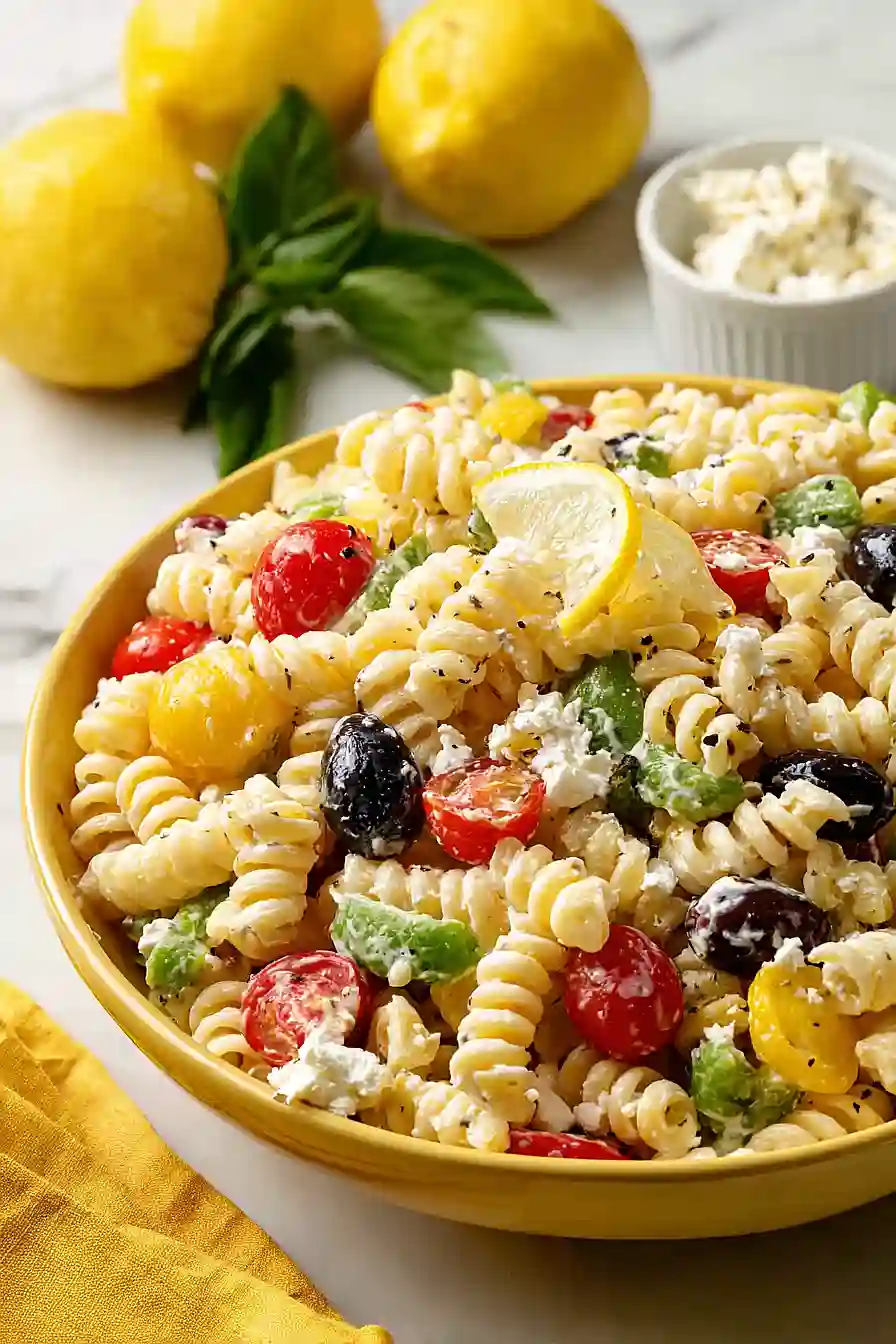
Why You’ll Love This Goat Cheese Pasta Salad
- Fresh and light – With crisp asparagus, juicy grape tomatoes, and bright lemon, this pasta salad feels refreshing and perfect for warmer days or when you want something that won’t weigh you down.
- Simple ingredients – You only need a handful of basic ingredients that you can easily find at any grocery store, and most of them are probably already in your kitchen.
- Great for meal prep – This pasta salad actually tastes better after sitting in the fridge for a few hours, making it ideal for making ahead for lunches or potlucks throughout the week.
- Tangy and creamy – The goat cheese adds a wonderful creaminess while the lemon and dijon mustard bring a zesty kick that keeps every bite interesting.
What Kind of Goat Cheese Should I Use?
For this pasta salad, you’ll want to use fresh goat cheese (sometimes called chèvre) that comes in a log, not the crumbly aged stuff. The creamy, soft goat cheese will break down nicely when tossed with the warm pasta, creating a luscious coating for all the ingredients. If you find goat cheese a bit too tangy for your taste, look for a milder variety or you can even mix in a tablespoon or two of cream cheese to mellow it out. Make sure to let the goat cheese sit at room temperature for about 15 minutes before using it – this makes it much easier to crumble and mix into your salad.

Options for Substitutions
This pasta salad is pretty forgiving when it comes to swapping ingredients:
- Fusilli: Any short pasta shape works great here – try penne, rotini, farfalle, or even orecchiette. The key is choosing something that holds the dressing well.
- Goat cheese: If goat cheese isn’t your thing, crumbled feta makes a nice substitute with a similar tangy flavor. You could also use ricotta salata for something milder, though you’ll lose some of that creamy texture.
- Asparagus: Green beans, snap peas, or broccoli florets all work nicely. Just blanch them the same way you would the asparagus to keep them crisp and bright.
- Grape tomatoes: Cherry tomatoes are basically the same thing. You could also use diced regular tomatoes, though they’ll release more liquid into the salad.
- Dijon mustard: Regular yellow mustard or whole grain mustard can step in if that’s what you have. Whole grain will add a bit of texture to your dressing.
- Lemon: In a pinch, white wine vinegar or apple cider vinegar can replace the lemon juice, though you’ll miss out on that fresh citrus flavor.
Watch Out for These Mistakes While Cooking
The biggest mistake with pasta salad is rinsing your cooked pasta with cold water, which washes away the starch that helps the dressing stick – instead, let it cool naturally or toss it with a bit of olive oil.
Overcooking your asparagus is another easy trap to fall into, so keep a close eye on the timer and make sure that ice bath is ready to stop the cooking immediately after that one minute of boiling.
Don’t skip reserving that pasta water before draining – those starchy few tablespoons are what transform the goat cheese mixture from a thick paste into a creamy, smooth dressing that coats every piece of pasta.
Finally, resist the urge to serve this right away, as the full hour of chilling time allows the flavors to blend together and the pasta to absorb the dressing properly, making each bite taste better than if you rushed it.
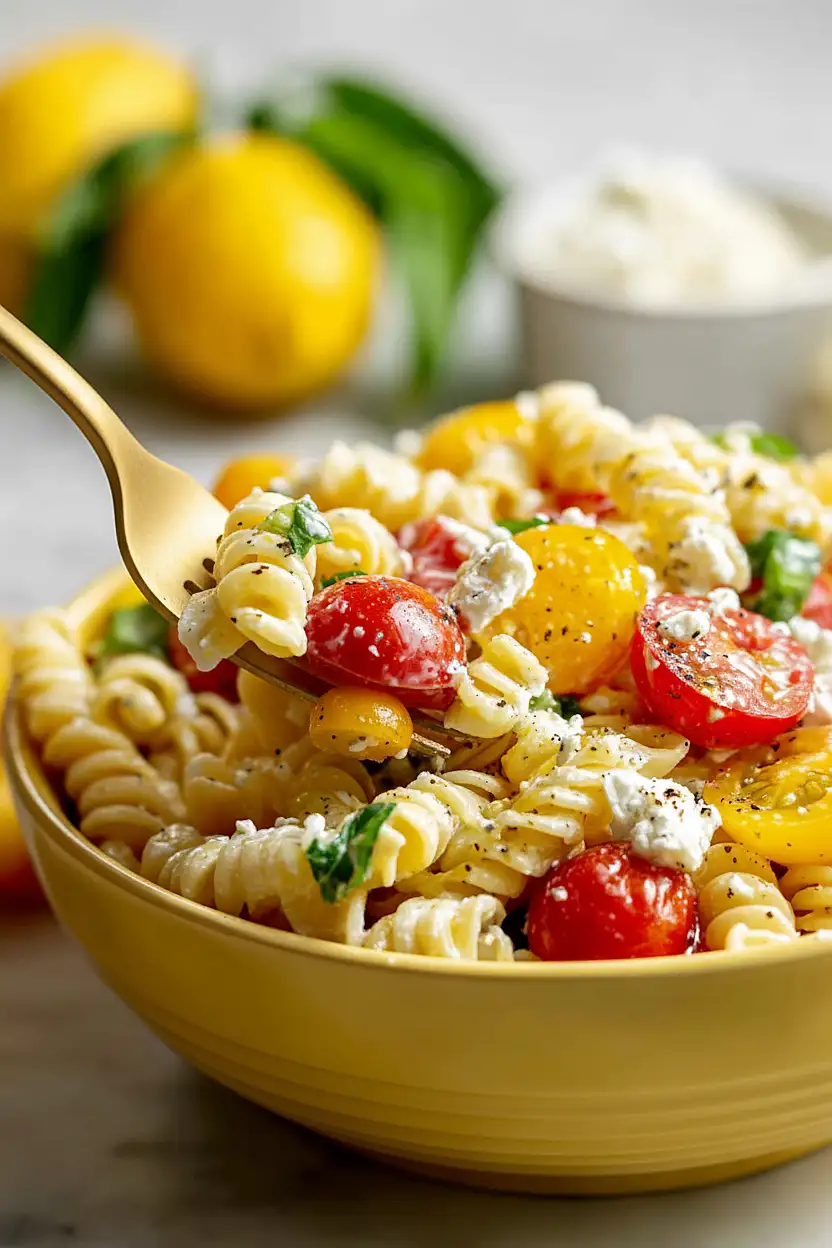
What to Serve With Goat Cheese Pasta Salad?
This pasta salad is pretty filling on its own, but it pairs beautifully with grilled chicken, salmon, or shrimp if you want to add some protein. It’s also a great side dish for summer barbecues alongside burgers, grilled steak, or even veggie skewers. Since the salad has a nice lemony tang from the goat cheese and dressing, it goes well with simple grilled meats that don’t have too much seasoning. You could also serve it with some crusty bread and a light white wine for an easy lunch on the patio.
Storage Instructions
Store: Keep your goat cheese pasta salad in an airtight container in the fridge for up to 3 days. It actually tastes even better the next day once all the flavors have had time to mingle together, making it perfect for meal prep or potlucks.
Make Ahead: You can prep this salad a day in advance, but I’d suggest adding the goat cheese right before serving so it stays nice and creamy. The pasta might soak up some of the dressing as it sits, so feel free to drizzle a little extra olive oil and lemon juice before serving if it looks dry.
Serve: This salad is great served cold or at room temperature. If you’re taking it somewhere, just pull it out of the fridge about 20 minutes before serving to take the chill off and let the flavors shine through.
| Preparation Time | 20-30 minutes |
| Cooking Time | 10-15 minutes |
| Total Time | 90-100 minutes |
| Level of Difficulty | Medium |
| Servings | 4 servings |
Estimated Nutrition
Estimated nutrition for the whole recipe (without optional ingredients):
- Calories: 1300-1450
- Protein: 35-40 g
- Fat: 65-75 g
- Carbohydrates: 145-155 g
Ingredients
For the dressing:
- 4 oz goat cheese (I use Montchevre plain logs)
- 1.25 fl oz lemon juice (freshly squeezed for best acidity)
- 0.33 cup olive oil (I prefer Lucini Premium Select for dressings)
- 2 tsp dijon mustard
- 1.5 tsp lemon zest
- 0.75 tsp salt
- 0.25 tsp freshly ground black pepper
For the pasta:
- 8 oz fusilli (I always use Barilla for a perfect al dente texture)
- 1/2 bunch asparagus (trimmed and cut into 1-inch pieces)
- 1 cup grape tomatoes (halved lengthwise)
Step 1: Prepare the Dressing Base
- 3 oz goat cheese
- 1.25 fl oz lemon juice
- 2 tsp dijon mustard
- 1.5 tsp lemon zest
- 0.75 tsp salt
- 0.33 cup olive oil
In a bowl, whisk together 3 oz of the goat cheese, freshly squeezed lemon juice, Dijon mustard, lemon zest, and salt until smooth and well combined.
The goat cheese will break down slightly as you whisk, creating a creamy base for the vinaigrette.
Slowly drizzle in the olive oil while whisking constantly to emulsify the dressing and create a smooth, cohesive sauce.
I find that whisking the cheese and mustard together first before adding the oil helps the dressing emulsify better and prevents it from breaking.
Step 2: Cook the Pasta and Vegetables
- 8 oz fusilli
- 1/2 bunch asparagus
Bring a large pot of salted water to a boil.
Add the fusilli and cook according to package directions until al dente, stirring occasionally.
About 2 minutes before the pasta finishes, add the trimmed asparagus pieces to the same pot so they cook together.
Reserve 1/4 cup of the pasta water before draining, then drain the pasta and asparagus together in a colander.
The starchy pasta water will help loosen the dressing and improve its consistency.
Step 3: Finish and Temper the Dressing
- dressing from Step 1
- 1/4 cup reserved pasta water
Pour the reserved pasta water into the dressing from Step 1 and stir well to combine.
The starch in the pasta water will help the dressing coat the pasta more effectively and give it a silkier texture.
Divide the dressing in half, setting aside half of it in a separate bowl to be added later for freshness.
Step 4: Coat and Chill the Pasta
- cooked pasta and asparagus from Step 2
- half of the dressing mixture from Step 3
Add the warm pasta and asparagus from Step 2 to the bowl with the half portion of dressing from Step 3, and toss thoroughly until everything is well coated.
The warm pasta will absorb the flavors more effectively.
Transfer to a serving bowl or container and refrigerate for at least 1 hour, which allows the flavors to meld and the pasta to absorb the dressing fully.
I like to chill the pasta salad this way so it reaches the right temperature and the flavors develop deeper before serving.
Step 5: Final Assembly and Serve
- chilled pasta salad from Step 4
- 1 cup grape tomatoes
- 1 oz goat cheese
- reserved half of dressing from Step 3
- 0.25 tsp freshly ground black pepper
Remove the chilled pasta from the refrigerator and transfer to a serving bowl if needed.
Gently toss in the halved grape tomatoes and crumble the remaining 1 oz of goat cheese over the top.
Pour the reserved dressing from Step 3 over everything and toss gently to combine, being careful not to crush the tomatoes.
Add the freshly ground black pepper and serve immediately.
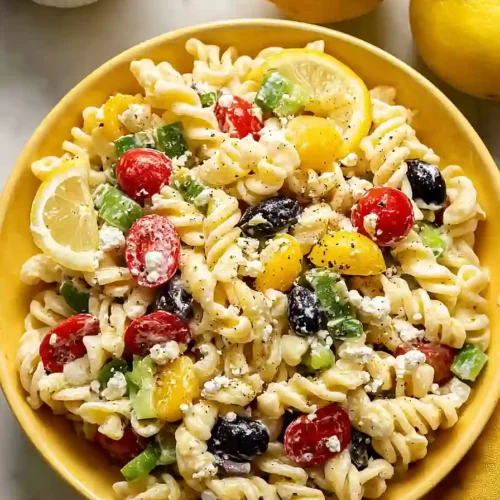
Classic Goat Cheese Pasta Salad
Ingredients
For the dressing::
- 4 oz goat cheese (I use Montchevre plain logs)
- 1.25 fl oz lemon juice (freshly squeezed for best acidity)
- 0.33 cup olive oil (I prefer Lucini Premium Select for dressings)
- 2 tsp dijon mustard
- 1.5 tsp lemon zest
- 0.75 tsp salt
- 0.25 tsp freshly ground black pepper
For the pasta::
- 8 oz fusilli (I always use Barilla for a perfect al dente texture)
- 1/2 bunch asparagus (trimmed and cut into 1-inch pieces)
- 1 cup grape tomatoes (halved lengthwise)
Instructions
- In a bowl, whisk together 3 oz of the goat cheese, freshly squeezed lemon juice, Dijon mustard, lemon zest, and salt until smooth and well combined. The goat cheese will break down slightly as you whisk, creating a creamy base for the vinaigrette. Slowly drizzle in the olive oil while whisking constantly to emulsify the dressing and create a smooth, cohesive sauce. I find that whisking the cheese and mustard together first before adding the oil helps the dressing emulsify better and prevents it from breaking.
- Bring a large pot of salted water to a boil. Add the fusilli and cook according to package directions until al dente, stirring occasionally. About 2 minutes before the pasta finishes, add the trimmed asparagus pieces to the same pot so they cook together. Reserve 1/4 cup of the pasta water before draining, then drain the pasta and asparagus together in a colander. The starchy pasta water will help loosen the dressing and improve its consistency.
- Pour the reserved pasta water into the dressing from Step 1 and stir well to combine. The starch in the pasta water will help the dressing coat the pasta more effectively and give it a silkier texture. Divide the dressing in half, setting aside half of it in a separate bowl to be added later for freshness.
- Add the warm pasta and asparagus from Step 2 to the bowl with the half portion of dressing from Step 3, and toss thoroughly until everything is well coated. The warm pasta will absorb the flavors more effectively. Transfer to a serving bowl or container and refrigerate for at least 1 hour, which allows the flavors to meld and the pasta to absorb the dressing fully. I like to chill the pasta salad this way so it reaches the right temperature and the flavors develop deeper before serving.
- Remove the chilled pasta from the refrigerator and transfer to a serving bowl if needed. Gently toss in the halved grape tomatoes and crumble the remaining 1 oz of goat cheese over the top. Pour the reserved dressing from Step 3 over everything and toss gently to combine, being careful not to crush the tomatoes. Add the freshly ground black pepper and serve immediately.