Finding a quick, protein-packed bread option that doesn’t require yeast or hours of rising time can feel nearly impossible. Between juggling work deadlines, school pickups, and everything else life throws at you, spending your afternoon babysitting dough just isn’t realistic for most of us.
That’s where this cottage cheese flatbread comes in handy: it uses just 2 main ingredients, comes together in minutes without any fancy equipment, and gives you a soft, satisfying bread that pairs perfectly with whatever meal you’re making.

Why You’ll Love This Cottage Cheese Flatbread
- Just 2 ingredients – You only need flour and cottage cheese to make this flatbread, which means less shopping and less cleanup.
- High in protein – The cottage cheese adds a protein boost to regular flatbread, making it more filling and nutritious than traditional versions.
- Ready in under 30 minutes – From mixing to eating, this flatbread comes together quickly, perfect for busy weeknights when you need bread in a pinch.
- No yeast or rising time – Skip the waiting around for dough to rise. This recipe is straightforward and fast, so you can have fresh flatbread on the table right when you need it.
What Kind of Cottage Cheese Should I Use?
Any cottage cheese you have in your fridge will work great for this flatbread recipe. Full-fat, low-fat, or even fat-free cottage cheese all do the job, though full-fat tends to create a slightly richer flavor and softer texture. Small curd cottage cheese blends more easily into the dough, but if you only have large curd on hand, don’t worry – just give it a quick mash with a fork or blend it for a few seconds before mixing it with the flour. The beauty of this recipe is that it’s pretty forgiving, so grab whatever cottage cheese is on sale at the store and you’ll still end up with delicious flatbread.
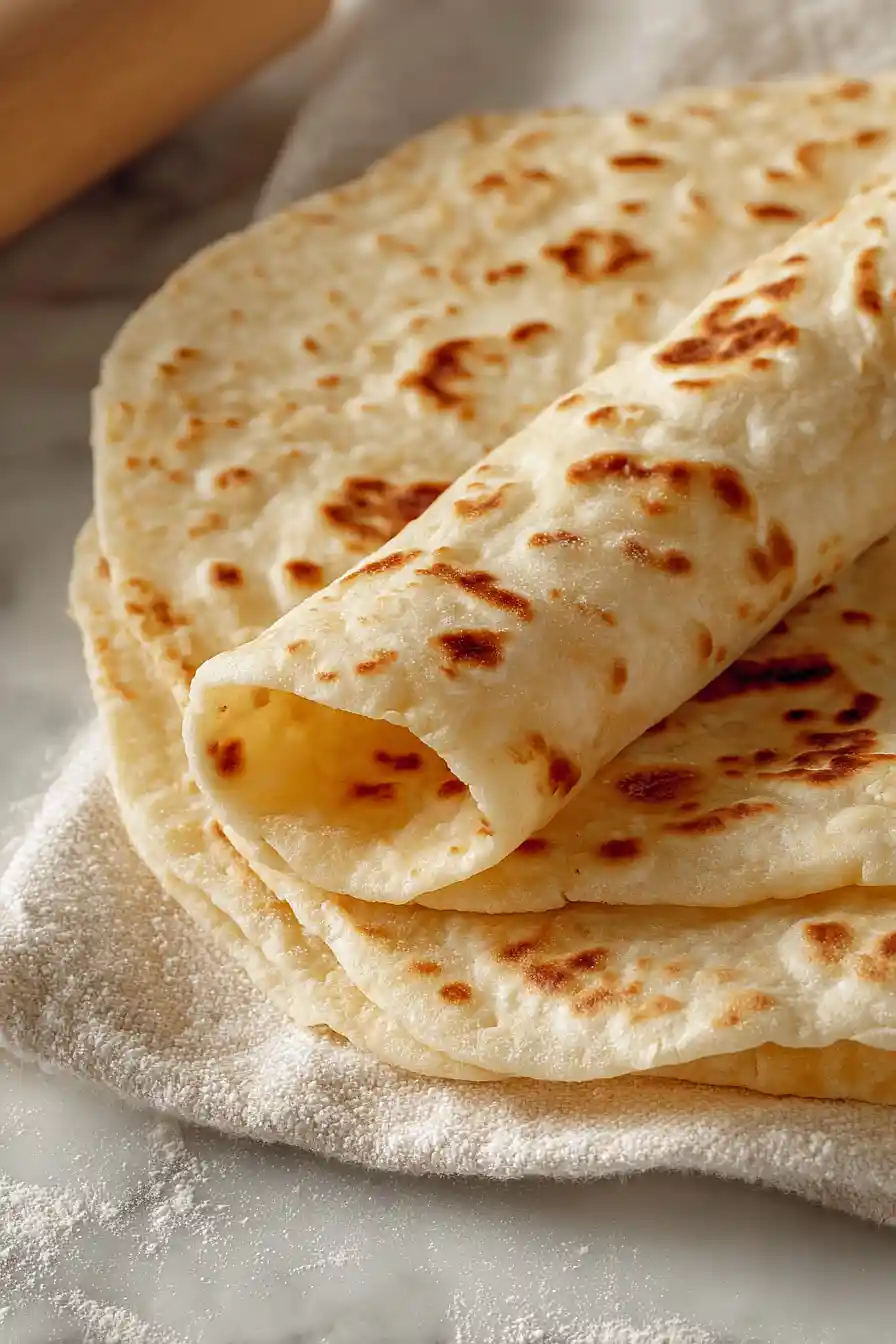
Options for Substitutions
With just two ingredients, this recipe is pretty straightforward, but here are a few swaps you can make:
- All-purpose flour: You can use whole wheat flour for a nuttier flavor and more fiber, though the texture will be slightly denser. Self-rising flour also works – just skip any added salt in the recipe. For a gluten-free option, try a 1:1 gluten-free baking blend, but the texture might be a bit different.
- Cottage cheese: This is really the star of the recipe, so I wouldn’t recommend substituting it. The cottage cheese provides both moisture and protein that makes this flatbread work. If you only have large curd cottage cheese, give it a quick blend or mash it up a bit before mixing with the flour for a smoother dough.
- Cottage cheese fat content: Full-fat, low-fat, or fat-free cottage cheese all work fine here. Just note that full-fat will give you a slightly richer flavor and softer texture.
Watch Out for These Mistakes While Cooking
The biggest mistake with cottage cheese flatbread is not kneading the dough long enough, which leaves you with a crumbly mess instead of a smooth, pliable dough – aim for at least 3-4 minutes of kneading until it feels elastic and holds together well.
Another common error is cooking over heat that’s too high, which burns the outside while leaving the inside undercooked, so stick to medium heat and resist the urge to crank it up.
If your dough feels too sticky to work with, dust your hands and work surface with a bit of flour, but add it gradually since too much extra flour will make your flatbreads tough and dense.
Finally, don’t skip the resting step – letting the dough sit for 5-10 minutes after kneading makes it much easier to roll out and results in softer, more tender flatbreads.
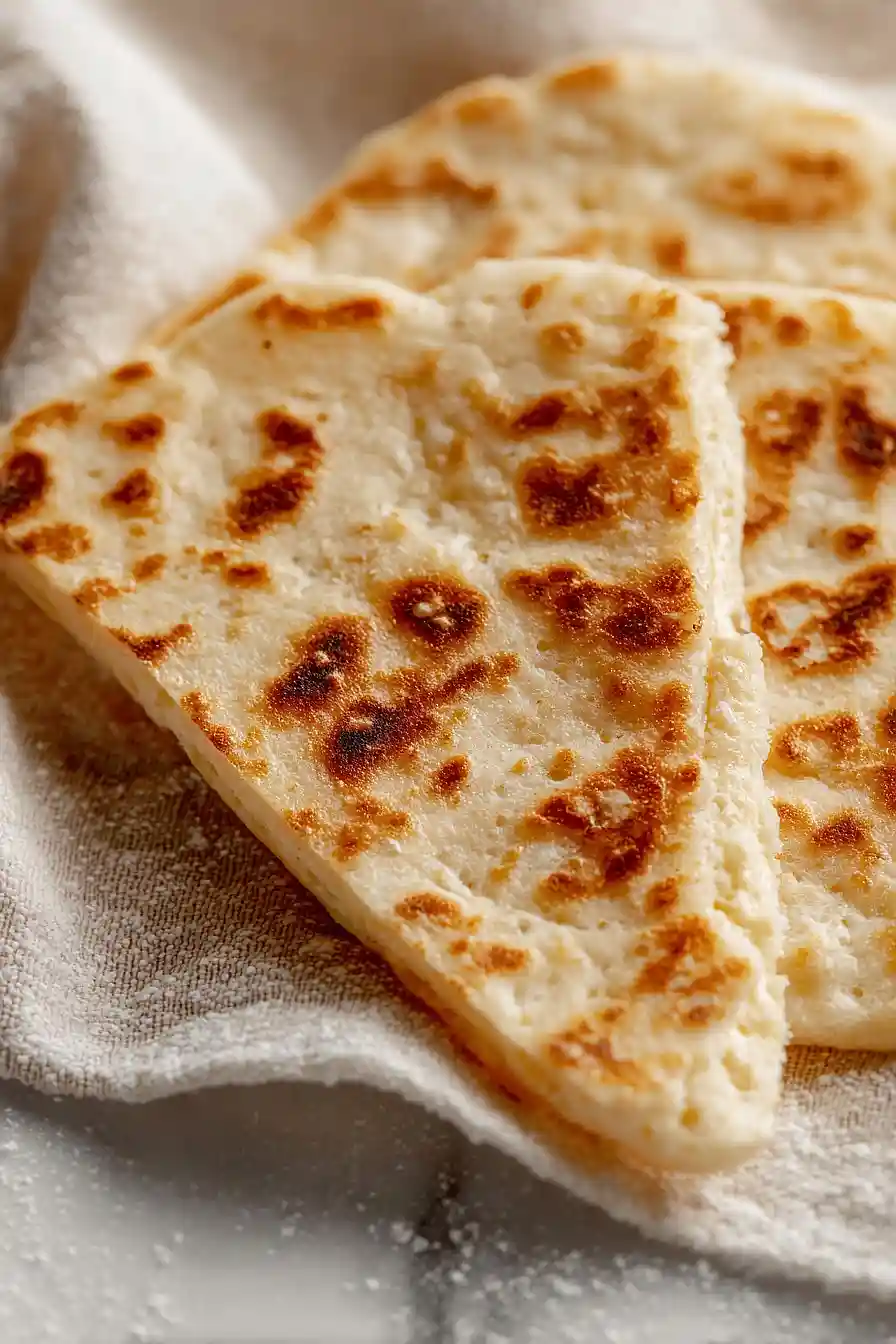
What to Serve With Cottage Cheese Flatbread?
This flatbread is perfect for scooping up just about anything you’d normally eat with pita or naan. I love using it alongside Mediterranean dips like hummus, tzatziki, or baba ganoush for an easy lunch or snack. It also works great as a side for soups and stews – think lentil soup, chicken curry, or even a simple tomato basil soup. You can also turn these flatbreads into a meal by topping them with things like scrambled eggs and avocado for breakfast, or using them as a base for personal pizzas with marinara and mozzarella.
Storage Instructions
Store: Keep your flatbreads in an airtight container or wrapped in plastic wrap in the fridge for up to 4 days. Stack them with parchment paper in between so they don’t stick together, and they’ll be ready whenever you need them for a quick meal.
Freeze: These flatbreads are perfect for freezing! Just let them cool completely, then stack them with parchment paper between each one and pop them in a freezer bag. They’ll keep for up to 3 months, which is great for meal prep.
Warm Up: To bring your flatbread back to life, just heat it in a dry skillet for about 30 seconds on each side, or wrap it in a damp paper towel and microwave for 15-20 seconds. You can also toast it straight from frozen if you’re in a hurry!
| Preparation Time | 10-15 minutes |
| Cooking Time | 10-15 minutes |
| Total Time | 20-30 minutes |
| Level of Difficulty | Easy |
| Servings | 4 flatbreads |
Estimated Nutrition
Estimated nutrition for the whole recipe (without optional ingredients):
- Calories: 350-400
- Protein: 20-24 g
- Fat: 6-8 g
- Carbohydrates: 55-60 g
Ingredients
- 1 1/4 cups self-rising flour (I always use King Arthur for a better rise)
- 3/4 cup cottage cheese (I prefer Good Culture for a thicker, less watery consistency)
- Pinch of salt
Step 1: Mix and Knead the Dough
- 3/4 cup cottage cheese
- 1 1/4 cups self-rising flour
- Pinch of salt
Combine the cottage cheese, self-rising flour, and salt in a bowl, stirring until a shaggy dough forms.
Turn the dough onto a clean work surface and knead for 2-3 minutes until smooth and slightly elastic.
The dough should come together quickly since self-rising flour already contains leavening agents.
I find that kneading by hand rather than with a mixer helps you feel when the dough reaches the right consistency—it should be soft but not sticky.
Step 2: Divide and Flatten the Dough
- kneaded dough from Step 1
Divide the kneaded dough from Step 1 into four equal portions.
Working with one portion at a time, flatten it between two sheets of parchment paper or plastic wrap to about 1/4-inch thickness.
This thickness is important—it ensures the flatbread cooks through evenly without becoming too crispy or remaining doughy in the center.
I like to use parchment paper because it prevents sticking without adding extra flour, which can toughen the flatbread.
Step 3: Cook the Flatbreads
- flattened dough portions from Step 2
Heat a large skillet or griddle over medium heat (no oil or butter needed—the cottage cheese provides enough moisture).
Once hot, carefully transfer one flattened dough portion to the pan and cook for 2-3 minutes until the bottom is lightly golden and set.
Flip carefully and cook the other side for another 2-3 minutes until golden.
Repeat with the remaining three portions, cooking them one at a time.
The flatbreads should puff slightly and develop a tender-chewy texture with light browning.

Tasty 2 Ingredient Cottage Cheese Flatbread
Ingredients
- 1 1/4 cups self-rising flour (I always use King Arthur for a better rise)
- 3/4 cup cottage cheese (I prefer Good Culture for a thicker, less watery consistency)
- Pinch of salt
Instructions
- Combine the cottage cheese, self-rising flour, and salt in a bowl, stirring until a shaggy dough forms. Turn the dough onto a clean work surface and knead for 2-3 minutes until smooth and slightly elastic. The dough should come together quickly since self-rising flour already contains leavening agents. I find that kneading by hand rather than with a mixer helps you feel when the dough reaches the right consistency—it should be soft but not sticky.
- Divide the kneaded dough from Step 1 into four equal portions. Working with one portion at a time, flatten it between two sheets of parchment paper or plastic wrap to about 1/4-inch thickness. This thickness is important—it ensures the flatbread cooks through evenly without becoming too crispy or remaining doughy in the center. I like to use parchment paper because it prevents sticking without adding extra flour, which can toughen the flatbread.
- Heat a large skillet or griddle over medium heat (no oil or butter needed—the cottage cheese provides enough moisture). Once hot, carefully transfer one flattened dough portion to the pan and cook for 2-3 minutes until the bottom is lightly golden and set. Flip carefully and cook the other side for another 2-3 minutes until golden. Repeat with the remaining three portions, cooking them one at a time. The flatbreads should puff slightly and develop a tender-chewy texture with light browning.